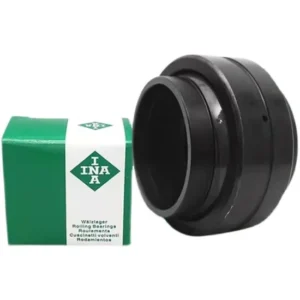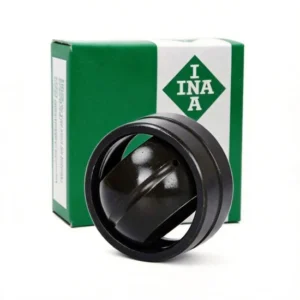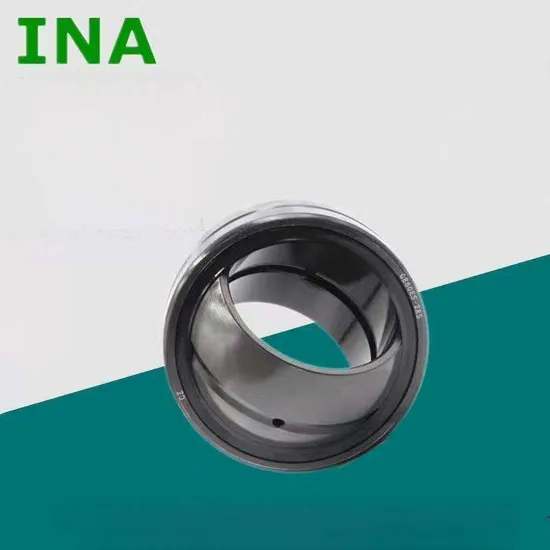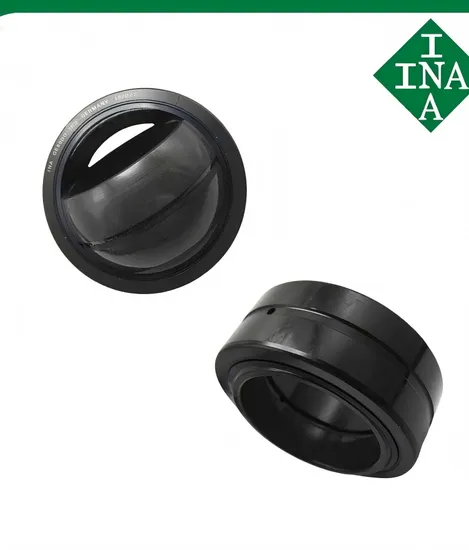
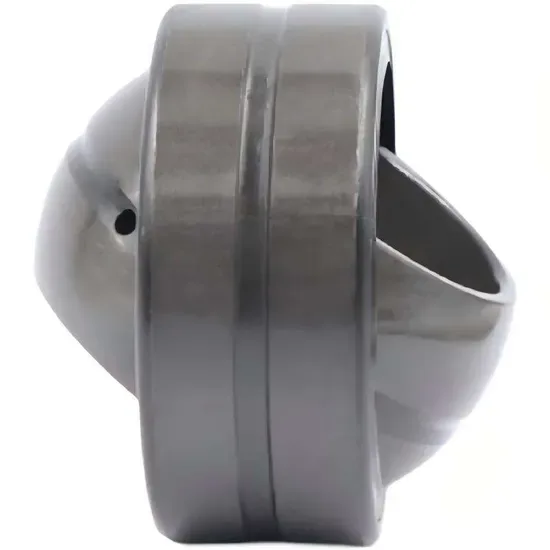
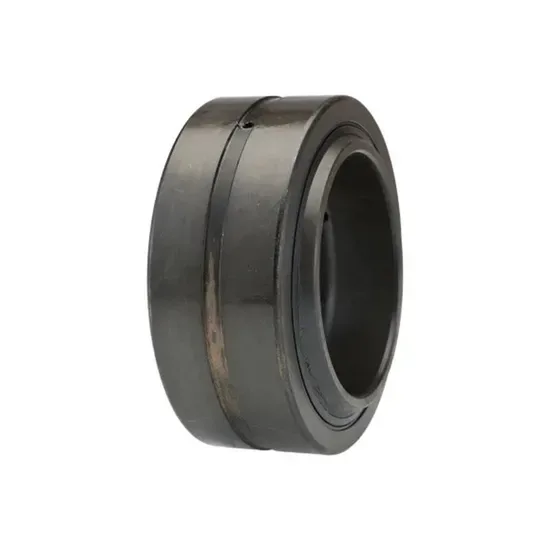
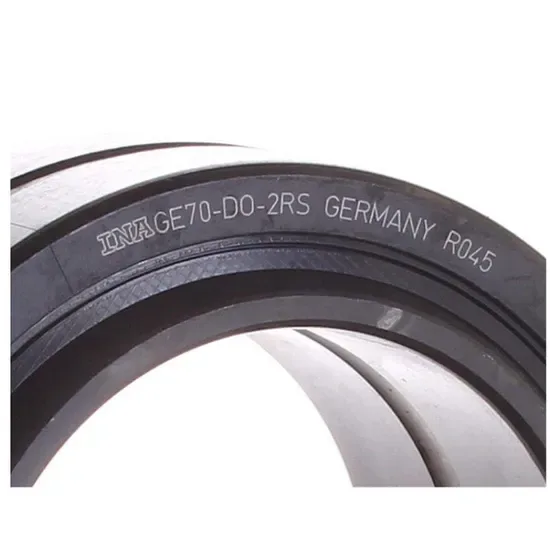

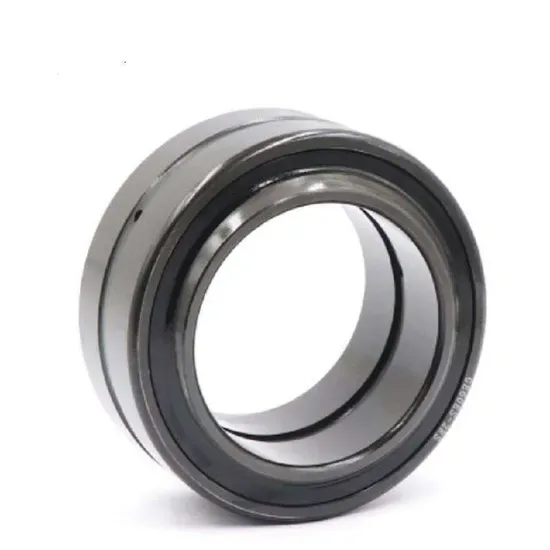

Description
Traceable Supply Chain — Every GE125-LO shipment includes material certification, batch documentation, and origin paperwork supporting seamless customs clearance and counterfeit avoidance.
Technical Specifications
| Parameter | Value |
|---|---|
| Designation | GE125-LO |
| Bearing Type | Spherical Plain Bearing, Maintenance Free |
| Bore Diameter (d) | 125 mm |
| Outside Diameter (D) | 180 mm |
| Ball Diameter | 160 mm |
| Weight | 8.100 kg |
| Inner Ring Material | Bearing Steel |
| Ball Material | Bearing Steel |
| Precision Class | P0 |
| Rod End Configuration | Yes |
| Origin | China |
Note: The -LO suffix is unverified against a specific manufacturer catalog and requires confirmation during the technical selection phase to ensure application compatibility.
Application Suitability
| Industry | Typical Applications |
|---|---|
| Packaging Machinery | High-speed actuator arms and form-fill-seal pivots |
| General Industrial Machinery | Automated linkage joints and indexing tables |
| Material Handling | Conveyor diverters and robotic gripper pivots |
The Hidden Cost of Liner Bonding Failures in Packaging Automation
PTFE liner detachment causes immediate rod-end seizure and unplanned line stoppages.
In high-cycle packaging environments, a spherical plain bearing is subjected to continuous oscillating motion. When the PTFE liner is poorly bonded or sourced from unverified supply chains, the liner material flakes off under load. This leads to metal-on-metal contact between the inner ball and outer ring, generating excessive heat and rapid wear. Many maintenance engineers have faced this issue, only to find that the root cause was a "maintenance-free" bearing that lacked the necessary liner integrity for the specific oscillating frequency [NEED_CITE: failure mode classification per ISO 15243]. A GE125-LO spherical plain bearing maintenance free PTFE liner must be verified for liner type—woven versus film-backed—to match the specific load spectrum.
Matching Load Spectra and Oscillating Frequencies
For packaging and material handling equipment, the bearing must withstand high-frequency, low-amplitude oscillations. The bearing steel construction of the GE125-LO provides the core load-carrying capacity required for these applications. When sourcing these components, we focus on ensuring the bore tolerance and misalignment angle are cross-referenced accurately against OEM specifications, preventing thermal binding in the pivot joint.
Environmental Challenges and Thermal Considerations
The operating environment of a packaging machine often involves flour dust, sugar residue, or high humidity. A maintenance-free design eliminates the need for scheduled relubrication, which can attract contaminants and create an abrasive paste. The PTFE liner acts as the primary wear surface, but its performance is highly dependent on temperature stability. In facilities where ambient temperatures fluctuate, the liner material must maintain its self-lubricating properties to prevent the inner ring from scoring the bore.
Core Specifications and Performance Demands
The P0 precision class meets standard ISO tolerance requirements for general industrial linkage use. However, the critical factor is the liner bonding quality. The bearing steel inner ring and 160 mm ball diameter are engineered for durability, but the liner is what dictates the service life. We often see buyers focus solely on the base designation while overlooking the cage material and precision suffixes, which in spherical plain bearings translates to the liner type and outer ring treatment [NEED_CITE: spherical plain bearing material standards].
Unplanned Downtime vs. Verified Sourcing
Selecting a bearing based solely on price or base number often results in premature failure. A seized spherical plain bearing in a critical actuator arm can halt an entire production line, leading to missed shipment deadlines and significant financial penalties. By prioritizing verified origin and material documentation, procurement engineers can avoid these hidden costs. We adhere to ISO 281 life framework principles, ensuring that the application parameters align with the bearing’s actual capabilities rather than theoretical ratings [NEED_CITE: rolling bearing life calculations per ISO 281].
Sourcing Through Authorized Distributor Channels
We specialize in providing genuine bearing solutions with full traceability. Our cross-reference database ensures that when you request a GE125-LO, you receive a product that matches the required clearance, liner type, and dimensional tolerances. We provide country-of-origin identification support and work directly with authorized distributor channels to guarantee authenticity. This approach eliminates the risk of receiving counterfeit bearings with soft inner rings or cloned QR codes that fail under load.
Documentation & Authenticity
- Material Certificate: Confirming bearing steel grade (GCr15 / 100Cr6) for both the inner ring and the 160 mm ball.
- Liner Verification Report: Documentation specifying the PTFE liner type (woven or film) and bonding quality inspection.
- Dimensional Inspection Report: Third-party verification of 125 mm bore, 180 mm OD, and ball diameter tolerances.
- Country-of-Origin Documentation: Full support for import compliance and HS code verification.
Storage, Handling & Mounting
- Original Packaging Integrity: Keep the GE125-LO sealed in its original anti-corrosion packaging until the moment of installation to prevent moisture ingress that could affect the steel surfaces.
- Clean Environment Mounting: Ensure the packaging machine pivot joint is free of abrasive flour or sugar dust before exposing the bearing to the environment.
- Rod End Alignment: Verify the rod end configuration alignment during installation to avoid side-loading the PTFE liner, which reduces service life.
- Temperature Acclimation: Allow the 8.100 kg bearing to reach ambient temperature before mounting to prevent condensation on the bearing steel surfaces.
Technical Selection and Quotation Inquiry
To ensure the GE125-LO is the correct fit for your application, please share your specific load, speed, and operating temperature parameters. We will perform a technical selection review and cross-reference matching to confirm the liner type and bore tolerance. Once verified, we will provide a quotation with lead time, MOQ, and a complete documentation package including origin and material certifications.
Frequently Asked Questions
Q: How can I verify the PTFE liner type and bonding quality in maintenance-free spherical plain bearings?
A: We provide documentation specifying whether the liner is woven PTFE or film-backed, along with inspection reports confirming bonding integrity. This is critical for high-cycle applications where liner detachment causes rapid failure.
Q: What material certificates should accompany bearing steel plain bearings for import compliance?
A: We supply material certificates confirming the bearing steel grade (e.g., GCr15 / 100Cr6) for the inner ring and ball, along with country-of-origin documentation and HS codes to support customs clearance.
Q: How do I cross-reference GE-series spherical plain bearings across brands with matching liner type?
A: We provide complete cross-brand interchange comparison, ensuring that the bore, OD, and crucially, the liner type and precision class are matched—not just the base designation.
Q: What are the installation requirements for rod-end spherical plain bearings in packaging machinery?
A: Proper alignment of the rod end is essential to prevent side-loading the PTFE liner. We provide application-based technical selection guidance to ensure the mounting envelope and misalignment angles are compatible.
Q: Is the -LO suffix verified for all manufacturers?
A: The -LO suffix is unverified against a single manufacturer catalog and requires confirmation during the technical selection phase to ensure it matches your specific OEM requirements.
Secure Your Production Line with Verified Bearing Solutions
Share your application parameters or OEM equipment number today to initiate our technical selection review and cross-reference matching process. Contact our engineering team through our official inquiry channels to request your sample or trial batch.