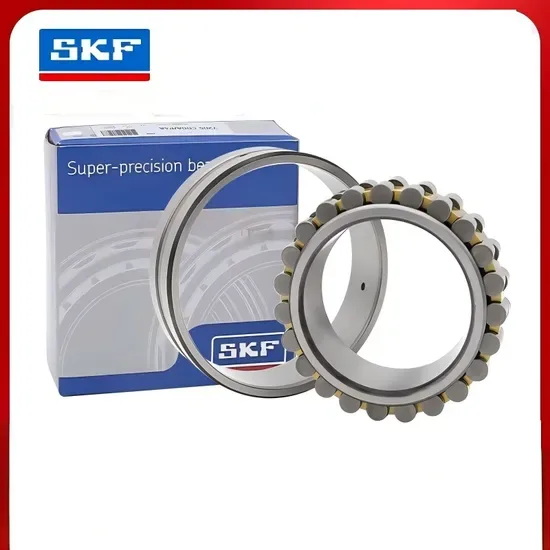
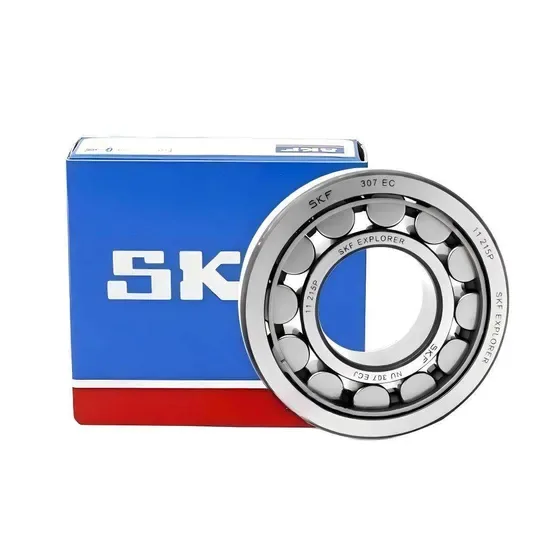
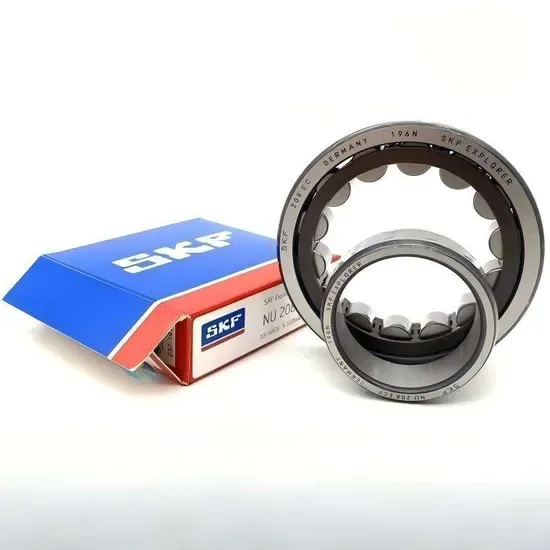
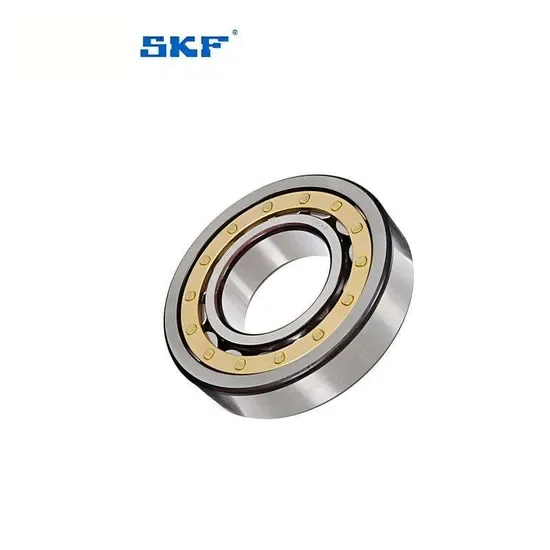
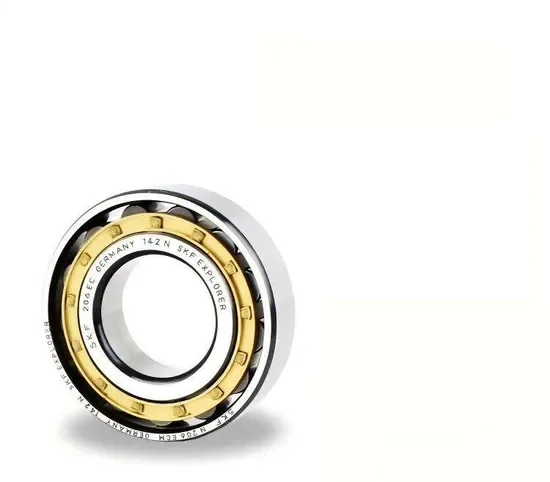
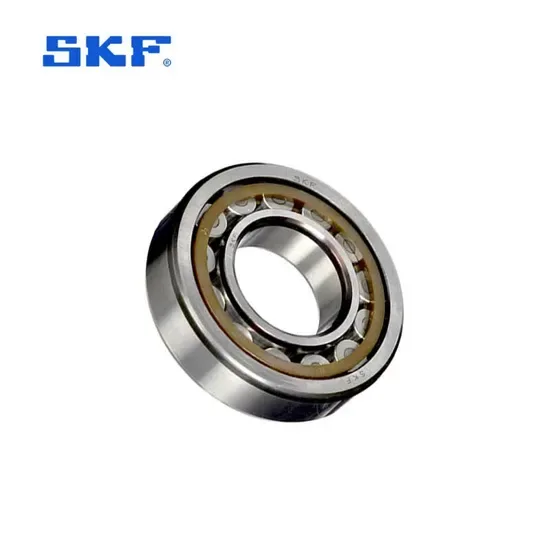
Description
Authorized Supply Chain Sourcing — every SKF NN 3017KTN9/UP double row cylindrical roller bearing we ship arrives with full batch traceability and Certificate of Conformity documentation, confirming its path through verified distribution channels rather than unvetted intermediaries.
Technical Specifications
| Parameter | Value |
|---|---|
| Designation | SKF NN 3017KTN9/UP |
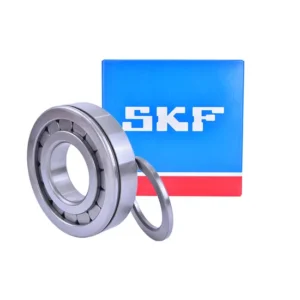
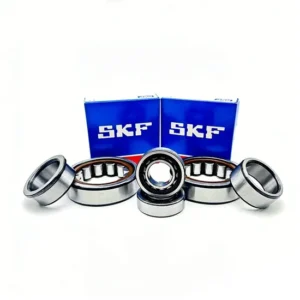
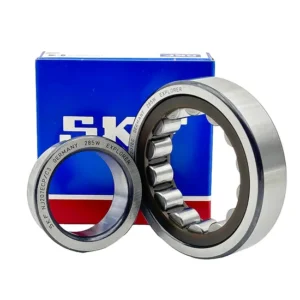
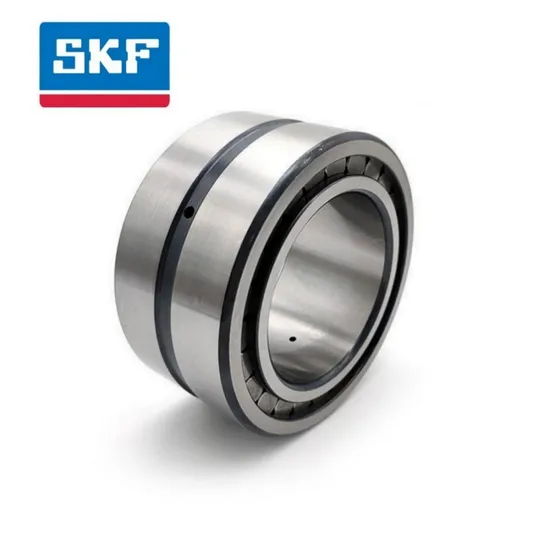
| Bearing Type | Double Row Cylindrical Roller Bearing |
| Bore Diameter (d) | 85 mm |
| Bore Type | Tapered (1:12 taper) |
| Number of Rows | Double Row |
| Seal or Shield Type | Open |
| Cage Material | Injection molded glass fiber reinforced polyamide 6,6 |
| Weight | 0.100 kg |
| Origin | China |
The /UP suffix designation indicates a precision class that falls outside standard catalog verification; exact tolerance band should be confirmed against current SKF technical documentation before finalizing fitment specifications.
Application Suitability
| Industry | Typical Applications |
|---|---|
| Machine Tool Manufacturing | Spindle front and rear support positions requiring high radial rigidity |
| Industrial Gearbox Production | High-speed precision gearbox shaft support in multi-stage reduction units |
| Heavy Equipment Maintenance | Rotating spindle assemblies in hydraulic press and forming machinery |
| Steel and Metallurgy | Roll neck positions on light-section mills where thermal expansion is managed |
The Tapered Bore Decision That Prevents Spindle Seizure
Matching bore geometry to shaft seat design eliminates the thermal expansion failures that standard cylindrical bores invite on precision spindles.
I once watched a Vietnamese steel mill lose three days of production because a maintenance team cross-referenced a cylindrical roller bearing by base number alone, ignoring the suffix that specified clearance class. The replacement went in clean, ran smooth for two weeks, then the inner ring expanded under roll neck heat, seized the spindle, and tore the cage apart on shutdown. That mill now checks every suffix before approving a substitution [NEED_CITE: bearing failure classification modes per ISO 15243]. When procurement teams source the SKF NN 3017KTN9/UP double row cylindrical roller bearing without verifying that the tapered bore matches their shaft seat specification, they risk the same interference fit failure under thermal load — a mismatch that no amount of post-installation adjustment can recover.
How This Bearing Survives Spindle Thermal Cycles
Precision spindles generate heat through rolling friction and lubricant shear, and that heat migrates into the inner ring first. The tapered bore on the SKF NN 3017KTN9/UP double row cylindrical roller bearing allows the installer to drive the bearing up the 1:12 taper until the correct residual internal clearance is achieved — not guessed, not assumed from a catalog table, but measured with a feeler gauge or dial indicator at the rollers. In machine tool applications where the spindle runs at sustained speed for hours, this controlled fitment compensates for the differential expansion between the steel shaft and the bearing ring, preventing the interference creep that destroys cage pockets.
Operating Conditions That Define Selection
The radial load profile on a machine tool spindle is dominated by cutting forces that shift direction as the tool engages and exits the workpiece, creating a cyclic load that tests cage durability at every reversal. Speed generates heat in the rolling contacts, and that heat must dissipate through the shaft and housing before it softens the cage material or breaks down the lubricant film. Open-type construction means the lubrication strategy — oil-air, oil mist, or grease packing — is entirely in the hands of the machine builder, which is correct for spindle applications where sealed bearings would add friction and thermal burden [NEED_CITE: spindle bearing lubrication methods for high speed operation]. Ambient temperature in a machine shop stays controlled, but localized spindle heating can push inner ring temperature well above ambient, making the initial clearance selection critical to avoid thermal preload buildup.
Reading the Suffix Stack: K, TN9, and Precision Class
The K suffix confirms a 1:12 tapered bore, which demands a matching tapered shaft seat or an adapter sleeve — installing this bearing on a straight cylindrical shaft is physically impossible without machining. The TN9 cage is injection molded from glass fiber reinforced polyamide 6,6, a material chosen for its low mass, which reduces centrifugal loading on the rollers at high speed, and its inherent damping, which quiets the cage-roller interaction during acceleration and deceleration phases. Polyamide cages have temperature boundaries — sustained operation above the material’s thermal limit causes embrittlement and pocket cracking, so verifying the spindle’s steady-state temperature against the cage rating is a mandatory pre-installation check. The UP precision designation signals that this bearing was manufactured to tighter tolerances than standard production, supporting the running accuracy demands of precision spindles where radial runout translates directly into workpiece surface finish defects.
What an Unverified Source Costs Beyond the Invoice
A counterfeit cylindrical roller bearing might pass visual inspection — the markings look right, the box has the expected color scheme, and the QR code resolves to a plausible webpage. But soft inner rings that do not reach the required hardness will deform under interference fit, losing the preload that maintains roller alignment. Cloned QR codes now redirect to spoofed verification pages, so casual scanning provides false confidence [NEED_CITE: counterfeit bearing detection methods in industrial supply chains]. When that bearing fails inside a spindle, the cost is not just the replacement unit — it includes the scrapped workpieces, the missed delivery penalties, the emergency freight for a genuine replacement, and the diagnostic hours spent ruling out shaft damage. Correct selection through an authorized channel with traceable documentation prevents this cascade, while substitution based on price alone invites it.
Sourcing Confidence Through Documentation, Not Promises
We acquire the SKF NN 3017KTN9/UP double row cylindrical roller bearing through authorized distributor channels, meaning the chain of custody from manufacturer to your receiving dock is documented at every handoff. Our cross-reference database aligns not just the base number but the clearance class, cage material, and precision suffix — so if an NSK or FAG alternative is proposed as a substitute, the match is verified on all three dimensions, not just the bore and OD. Every shipment carries a Certificate of Conformity tied to the batch number, and we support QR code verification through the manufacturer’s official application so your receiving team can authenticate independently. When import documentation requires country-of-origin declarations, we supply the paperwork matched to the physical product, not a generic statement.
Documentation & Authenticity
- Certificate of Conformity referencing the specific batch and lot number of your SKF NN 3017KTN9/UP shipment, enabling full traceability back to the production run
- QR code verification instructions for authentication through the official SKF application, confirming the product against the manufacturer’s database
- Country-of-origin documentation prepared per shipment, supporting customs clearance and import compliance for your destination market
- Dimensional inspection report available on request, confirming bore taper geometry and running accuracy before dispatch
Storage, Handling & Mounting
- Retain the original sealed packaging until the moment of installation to protect the polyamide TN9 cage from moisture absorption, which can alter dimensional stability over extended storage
- Store the bearing flat in a climate-controlled environment away from direct UV exposure, as polyamide cages degrade under prolonged sunlight
- Use clean, lint-free gloves when handling the open-type bearing to prevent skin oils and particulate contamination on the exposed roller paths
- Mount the tapered bore onto the 1:12 shaft seat using a hydraulic nut or locknut method, measuring the axial drive-up distance to achieve the specified residual clearance rather than relying on torque alone
- Verify spindle operating temperature stays within the TN9 polyamide cage’s rated thermal boundary before approving sustained high-speed operation
Start Your Technical Review
Share your spindle speed, operating temperature range, and required radial load capacity so we can confirm the SKF NN 3017KTN9/UP double row cylindrical roller bearing matches your application parameters — or identify a more suitable variant from the same product family. If you are replacing an existing bearing, provide the OEM equipment number or the full marking string from the failed unit for cross-reference verification including clearance and precision suffix alignment. Request the documentation package and lead time confirmation for your project timeline.
Frequently Asked Questions
Q: How do I verify the authenticity of a SKF NN 3017KTN9/UP bearing after delivery?
A: Scan the QR code on the product packaging using the official SKF application, which cross-references the code against the manufacturer’s production database. We also supply a Certificate of Conformity with batch traceability that links your specific unit to its authorized distribution path.
Q: What does the /UP suffix indicate on this cylindrical roller bearing?
A: The /UP suffix denotes a precision class that exceeds standard production tolerances, supporting applications like machine tool spindles where running accuracy directly affects output quality. The exact tolerance specifications should be confirmed against current SKF technical literature for your specific application requirements.
Q: How does the tapered bore affect mounting procedure compared to a straight bore?
A: The K suffix confirms a 1:12 tapered bore, which requires a matching tapered shaft seat. During installation, the bearing is driven axially up the taper, and the drive-up distance determines the residual internal clearance. This allows field adjustment of clearance to compensate for thermal expansion, which a straight bore installation cannot offer.
Q: What temperature limits apply to the TN9 polyamide cage?
A: Polyamide 6,6 cages have an upper continuous operating temperature beyond which the material loses mechanical strength and may crack under roller impact loads. Confirm your spindle’s steady-state operating temperature against the manufacturer’s published cage temperature limit before approving the bearing for sustained duty.
Q: Can I substitute a different brand bearing using only the base number NN 3017?
A: Substituting by base number alone ignores the tapered bore (K), cage material (TN9), and precision class (/UP) — all of which affect fitment, speed capability, and running accuracy. A proper cross-reference must align clearance, cage material, and precision suffix across brands to prevent field failure.
Confirm Your Spindle Bearing Specification
Send us your application parameters — speed, load, temperature, and shaft seat geometry — and we will return a verified selection with full documentation and lead time.