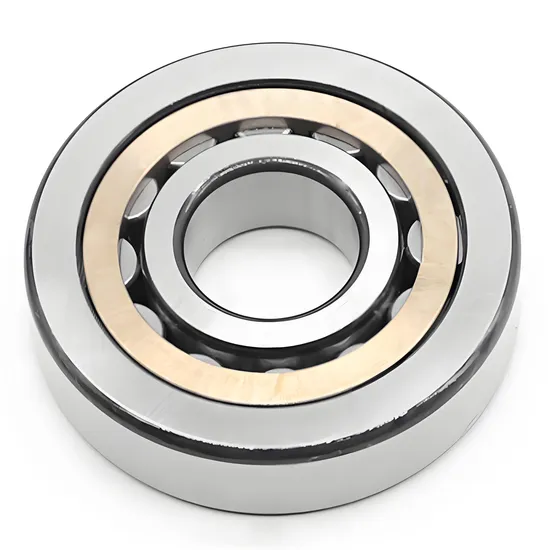


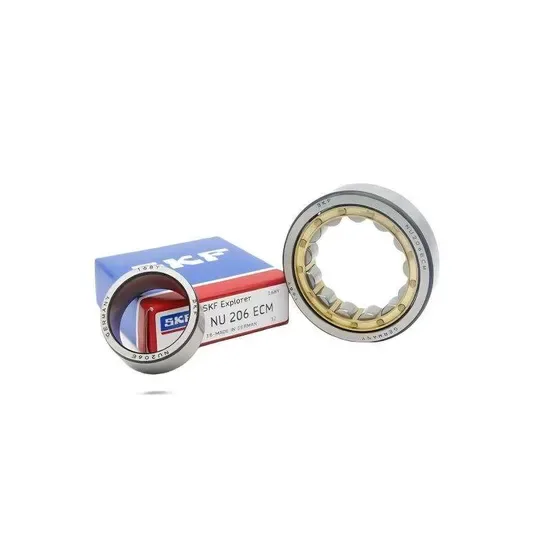

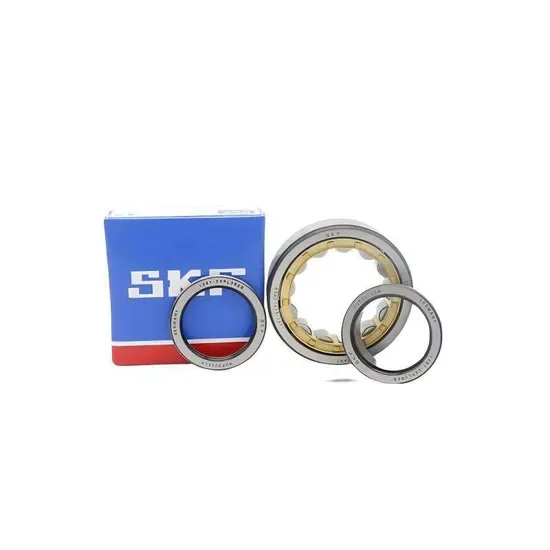

Description
Authorized Channel Sourcing — Every SKF NN3026KTN9/UPVR522 shipment includes batch-traceable documentation and Certificate of Conformity from verified distributor networks.
Technical Specifications
| Parameter | Value |
|---|---|
| Designation | SKF NN3026KTN9/UPVR522 |
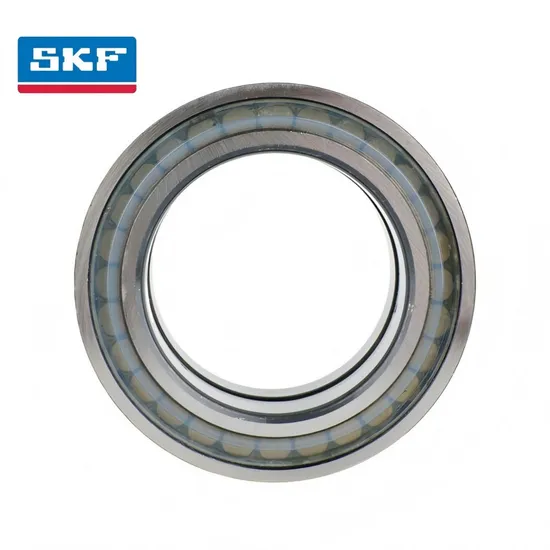
| Bearing Type | Double Row Cylindrical Roller Bearing |
| Bore Diameter (d) | 130 mm |
| Bore Type | Tapered (1:12) |
| Number of Rows | Double Row |
| Seal or Shield Type | Open |
| Cage Material | Glass fiber reinforced polyamide 6,6 (TN9) |
| Arrangement | NN — Double row, inner ring without flanges |
| Origin | China |
| Single Gross Weight | 0.250 kg |
/UPVR522 suffix requires confirmation against the manufacturer catalog for full specification details.
Application Suitability
| Industry | Typical Applications |
|---|---|
| Machine Tool Manufacturing | High-speed spindle rear support positions |
| Precision Industrial Gearboxes | Output shaft radial load positions |
| Steel and Metallurgy | Rolling mill guide roller assemblies |
| General Industrial Machinery | Heavy-duty rotating shaft support brackets |
The Cost of Overlooking Cage Material in Spindle Applications
A polyamide cage failure at 15,000 RPM destroys more than a bearing — it takes down the entire spindle assembly.
Sourcing the SKF NN3026KTN9/UPVR522 double row cylindrical roller bearing without verifying the cage specification against actual operating conditions leads to field failures that appear suddenly and catastrophically. Counterfeit units with soft inner rings pass dimensional inspection but lack the metallurgical integrity needed for sustained high-speed operation. When procurement teams match only the base designation and skip suffix verification, they expose equipment to thermal binding, cage fragmentation, and unplanned downtime that costs far more than proper sourcing would have [NEED_CITE: rolling bearing failure mode classification per ISO 15243].
Matching the NN3026KTN9 to Machine Tool Spindle Demands
This SKF NN3026KTN9/UPVR522 double row cylindrical roller bearing pairs a tapered bore with a lightweight polyamide cage specifically suited to spindle rear support positions where radial rigidity matters more than axial positioning. The TN9 cage reduces rotational inertia compared to brass alternatives, which matters when spindles accelerate and decelerate through speed ranges during machining cycles. I’ve seen Brazilian steel mills lose weeks of production because the replacement bearing matched the bore size perfectly but arrived with a brass cage where the application demanded the lower friction heat generation of polyamide construction.
Operating Environment and Performance Demands
The spindle environments where this bearing operates subject it to sustained radial loads combined with high rotational speeds that generate significant internal heat. Temperature gradients between inner and outer rings directly affect operating clearance, which is why the tapered bore design allows precise interference fit adjustment during mounting to set the correct residual clearance. Lubrication access through the open design supports oil-air or oil-jet systems common in high-speed spindle applications, where grease would degrade too quickly. The 130 mm bore diameter places this bearing in a size range where mounting technique — hydraulic nuts, induction heating, or tapered sleeve drive-in distance — directly determines whether the interference fit achieves proper clamping without inducing excessive preload [NEED_CITE: cylindrical roller bearing mounting practices per ISO 281].
Why the K Suffix and TN9 Cage Work Together
The tapered bore (K suffix) with 1:12 taper ratio enables direct mounting on tapered shaft seats, creating a secure interference fit through axial drive-in distance control. This approach eliminates the need for adapter sleeves while allowing precise clearance adjustment after installation. The TN9 glass fiber reinforced polyamide cage operates effectively across the speed ranges typical in machine tool spindles, offering lower weight than machined brass cages while maintaining adequate strength for the rolling element guidance loads. Double row cylindrical construction handles the high radial loads present in spindle applications, and the open design permits external lubrication circulation systems to reach the rolling elements directly.
What Wrong Sourcing Decisions Actually Cost
Correct specification matching with verified authentic sourcing prevents premature failures, but the hidden costs of getting it wrong extend far beyond the bearing itself. An incorrect clearance class in a spindle application causes thermal binding during warmup cycles, leading to surface damage on rolling elements and raceways before operators notice temperature alarms. Counterfeit bearings with cloned markings but substandard metallurgy fail unpredictably under load, causing catastrophic spindle damage that voids equipment warranties and requires complete rebuild rather than simple bearing replacement [NEED_CITE: counterfeit bearing impact on equipment warranty status].
How We Maintain Sourcing Integrity
Batch traceability accompanies every SKF NN3026KTN9/UPVR522 shipment, with Certificate of Conformity linking the physical units to manufacturer production records. QR code verification through SKF official apps allows receiving inspection teams to confirm authenticity before units enter inventory. Our cross-reference database verifies that substitute models match not just bore diameter and type, but also cage material, clearance class, and precision specifications simultaneously. Country-of-origin documentation supports import compliance requirements across different regional customs frameworks. Material certificates and dimensional inspection reports ship with orders, providing the documentation maintenance teams need for quality audits and failure investigation records.
Documentation & Authenticity
- Certificate of Conformity with batch and lot numbers traceable to SKF production records
- QR code verification pathway enabled for receiving inspection authenticity confirmation via SKF official mobile applications
- Third-party dimensional inspection reports confirming bore taper geometry and running accuracy before dispatch
- Country-of-origin documentation and HS code classification support for customs clearance in destination markets
- Material test certificates covering cage polymer composition and glass fiber reinforcement specification
Storage, Handling & Mounting
- Maintain original sealed packaging until mounting to prevent moisture contamination of the open bearing design and TN9 polyamide cage surfaces
- Tapered bore mounting requires controlled axial drive-in distance measurement to achieve correct interference fit without eliminating residual operating clearance
- Clean handling gloves mandatory during installation to prevent skin oils from attacking polyamide cage material over extended service periods
- Store horizontally in temperature-controlled environments to prevent dimensional distortion of the 130 mm bore before assembly
- External lubrication system commissioning must occur immediately after mounting since the open design provides no contamination protection during idle periods
Request Technical Verification
Share your spindle operating parameters — speed range, radial load profile, lubrication method, and operating temperature — so we can verify that the SKF NN3026KTN9/UPVR522 specification matches your application requirements. Provide your OEM equipment number if you’re replacing an existing bearing, and we’ll cross-check the complete suffix combination against manufacturer documentation. Request the full documentation package including Certificate of Conformity and country-of-origin papers to confirm import compliance for your destination market.
Frequently Asked Questions
Q: How do I verify SKF bearing authenticity using official verification channels?
A: SKF provides QR codes on bearing packaging that link to their official verification system. Scan the code using SKF’s mobile application to confirm the bearing matches manufacturer records for that production batch. Physical inspection should also verify that marking quality, surface finish, and packaging details match SKF standards.
Q: What mounting requirements does the K tapered bore suffix impose?
A: The K suffix indicates a 1:12 tapered bore that requires mounting on a matching tapered shaft seat or tapered sleeve. Axial drive-in distance determines the interference fit and residual clearance, so precise measurement during installation is critical. Hydraulic nuts or locknut-and-tab washers typically provide the mounting force.
Q: When should I choose TN9 polyamide cage over brass cage alternatives?
A: TN9 polyamide cages suit applications with high speed requirements where reduced friction heat generation matters, and where operating temperatures remain within polyamide material limits. Brass cages handle higher temperatures and shock loads better but generate more friction heat at high speeds. The choice depends on your specific speed, temperature, and load combination.
Q: What cross-reference factors matter beyond the base bearing designation?
A: Matching bore diameter and type alone causes field failures. Complete cross-referencing must verify cage material compatibility, clearance class (CN, C3, C4), precision grade, and any special suffixes that affect mounting or performance. A bearing with matching base numbers but different cage or clearance specifications can fail prematurely in the same application.
Q: What documentation supports import compliance for international shipments?
A: Certificates of Conformity, country-of-origin certificates, material test reports, and HS code classifications ship with orders. These documents satisfy customs requirements and quality audit trails in destination markets. Specific documentation requirements vary by country, so confirm your local import regulations before ordering.
Confirm Your SKF NN3026KTN9/UPVR522 Availability
Submit your application parameters and quantity requirements through our inquiry system to receive specification verification, documentation samples, and lead time confirmation for your project timeline.