


Description
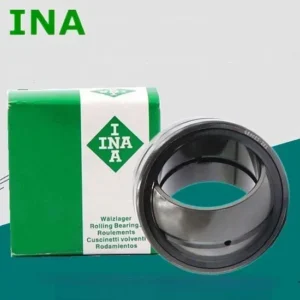
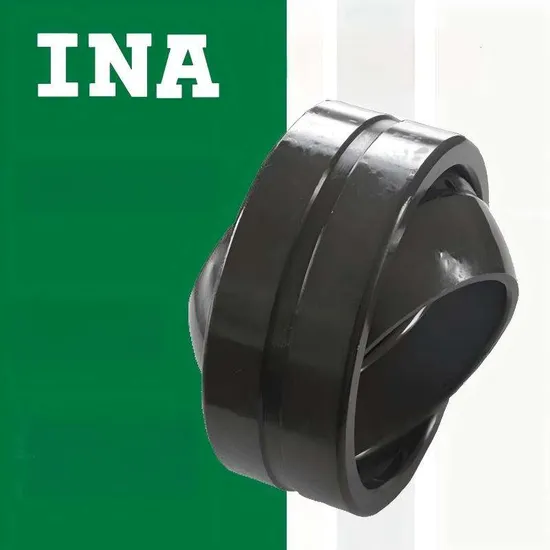
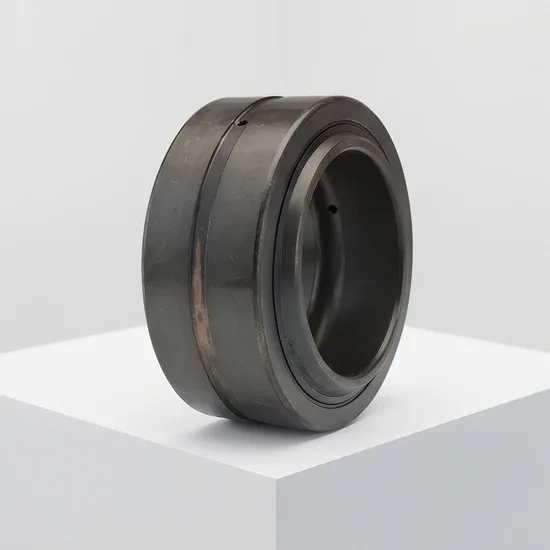
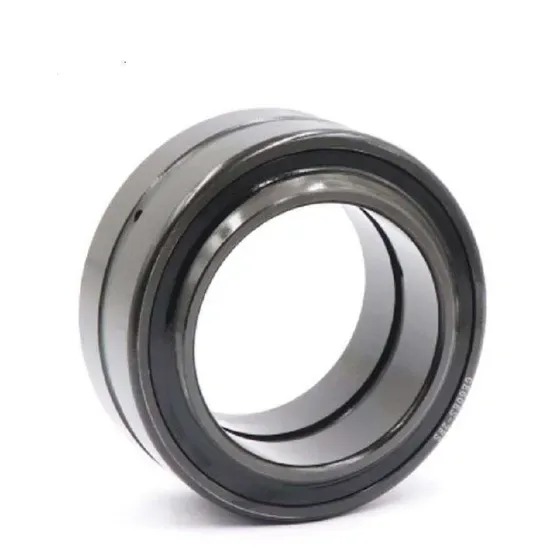
INA GE30-FO-2TS Spherical Plain Bearing PTFE Wholesale
Authorized channel sourcing — every INA GE30-FO-2TS shipment carries a Certificate of Conformity with batch traceability tied to the manufacturer’s production records.
Technical Specifications
| Parameter | Value |
|---|---|
| Designation | INA GE30-FO-2TS |
| Bearing Type | Spherical Plain Bearing |
| Bore Diameter (d) | 30 mm |
| Ball Diameter | 47 mm |
| Eye Thickness | 32 mm |
| Ball Material | Bearing Steel |
| Body Material | Bearing Steel |
| Precision Class | P2 |
| Seal or Shield Type | Triple-Lip Seals |
| Lubrication | Maintenance-Free PTFE |
| Weight | 0.290 kg |
| Origin | China |
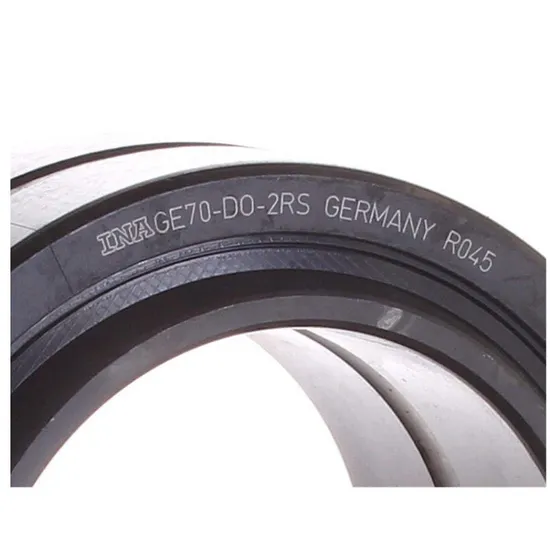
The FO and 2TS suffixes appear on the product label but are not fully mapped in standard INA suffix documentation; their exact meaning should be confirmed against the manufacturer’s current catalog before finalizing interchange substitutions.
Application Suitability
| Industry | Typical Applications |
|---|---|
| Construction Machinery | Loader bucket pivot pins, excavator boom articulation joints |
| Agricultural Machinery | Tractor three-point linkage joints, combine harvester steering knuckles |
| Material Handling | Forklift mast tilt cylinder eyes, conveyor transfer point linkages |
| Hydraulic & Pneumatic Systems | Cylinder clevis mounts, actuator rod-end connections |
What Happens When a Spherical Plain Bearing Runs Dry Underground
Maintenance-free PTFE sliding surfaces remove relubrication from the maintenance schedule entirely — the single most common cause of articulated joint seizure.
On a copper processing site in northern Chile, conveyor pivot joints ran on standard grease-lubricated spherical plain bearings. One missed re-greasing window during a shift change and the bearings ran dry within hours. The steel-on-steel contact scored the shafts, seized the joints solid, and shut down the transfer line for days [NEED_CITE: lubrication starvation as a leading cause of plain bearing failure per ISO 15243]. The INA GE30-FO-2TS spherical plain bearing eliminates that failure mode by design — its PTFE sliding contact surface requires no external lubrication, and the triple-lip seals keep abrasive dust and moisture out of the interface for the entire service life.
Matching the GE30-FO-2TS to Articulated Joint Duty Cycles
Articulated joints in construction and agricultural equipment cycle through low-speed oscillations under heavy radial loads, often in dusty or wet environments where scheduled greasing is unreliable. The INA GE30-FO-2TS spherical plain bearing addresses each of these conditions directly: bearing steel ball and body construction handles the load spectrum, the PTFE liner provides dry-running capability without relubrication intervals, and the triple-lip seal configuration creates multi-stage exclusion of particulate and moisture ingress. When we spec components for remote crushing plants, maintenance access is measured in hours, not minutes — a sealed-for-life bearing is not a luxury but a scheduling necessity.
Oscillating Loads, Contaminant Exposure, and Seal Demands
Spherical plain bearings in hydraulic cylinder eyes and loader pivots experience combined radial and axial loads with frequent direction reversals. Speeds remain low, so heat generation at the sliding interface is minimal, but shock loading from equipment impacts transmits directly through the joint. Temperature fluctuations in outdoor mining and agricultural applications drive thermal expansion that affects the fit between the bearing outer surface and the housing bore. The triple-lip seal arrangement on this model provides three sequential barriers against slurry, topsoil dust, and washdown water — critical in applications where a single lip seal would degrade within weeks. Installation is straightforward: the cylindrical bore accepts a standard interference fit in the clevis eye, with no cone drive or residual clearance calculations required [NEED_CITE: spherical plain bearing mounting practices for clevis joints].
PTFE Liner, Bearing Steel Construction, and P2 Precision Explained
The maintenance-free PTFE sliding surface transfers load through a thin, low-friction polymer film rather than a hydrodynamic grease layer, meaning the bearing performs consistently regardless of orientation, duty cycle, or ambient temperature. Bearing steel in both the ball and body provides the compressive strength needed for heavy oscillating loads without surface deformation. P2 precision class meets the highest ISO running accuracy requirements for spherical plain bearings, ensuring uniform load distribution across the PTFE liner — any geometric deviation would create localized wear hot spots that shorten the liner’s useful life. The 30 mm bore and 47 mm ball diameter define the mounting envelope and load-carrying cross-section, parameters that must match exactly when cross-referencing to alternative brands.
The Downtime Cost of a Substituted Bearing That Does Not Match
Replacing a specified spherical plain bearing with an incorrect variant — wrong seal type, wrong sliding surface material, or imprecise dimensional tolerances — rarely causes immediate failure. The damage accumulates silently: a steel-on-steel bearing installed where PTFE was specified will seize if the greasing schedule slips even once; a single-lip seal in a slurry environment will pass contaminants that abrade the sliding surface within a single season [NEED_CITE: contamination-induced wear mechanisms in plain bearings]. Premature joint failure in a loader bucket pivot or hydraulic cylinder eye means unplanned equipment downtime, scored shaft surfaces requiring machining repair, and warranty claims voided by the use of an unverified replacement part.
Sourcing Traceability and Technical Verification for the GE30-FO-2TS
We procure INA spherical plain bearings through authorized distributor channels, which means every unit ships with documentation tying it back to the manufacturer’s production batch. Our cross-reference database checks more than base designation — seal type, sliding surface material, and precision class must all align before we confirm an interchange. When a maintenance engineer sends us an OEM equipment number, we verify the original bearing specification against the application parameters: load direction, oscillation frequency, environmental contamination level, and housing fit. Country-of-origin documentation accompanies each shipment for import compliance, and the manufacturer’s QR code verification pathway allows on-site authenticity confirmation before the bearing leaves the storeroom.
Documentation & Authenticity
- Supplier Certificate of Conformity linking the batch number to the manufacturer’s production records for the GE30-FO-2TS
- Third-party dimensional inspection report verifying bore diameter, ball diameter, and eye thickness before dispatch
- Country-of-origin documentation and HS code classification for customs clearance in destination markets
- INA official QR code verification guidance enabling on-site authenticity confirmation via the brand’s app
- Material certification confirming bearing steel grade for both ball and body components
Storage, Handling & Mounting
- Keep the INA GE30-FO-2TS in original sealed packaging until the moment of mounting to prevent moisture from degrading the PTFE sliding surface before installation
- Store below 35°C and away from direct UV exposure, as prolonged heat and sunlight can affect the triple-lip seal elastomer material over time
- Handle with clean cotton gloves; skin oils and abrasive particles on the hands can transfer to the bearing steel surfaces and compromise the PTFE interface
- Press-fit into the clevis housing using controlled force aligned with the bore axis — avoid hammering, which can dent the bearing steel body and distort the P2 precision geometry
- Do not attempt to relubricate this bearing; the maintenance-free PTFE design has no grease ports, and forcing grease past the triple-lip seals will damage them
Start Your Technical Review
Share your application parameters — load magnitude, oscillation frequency, environmental conditions, and housing dimensions — so we can verify the INA GE30-FO-2TS spherical plain bearing suits the duty cycle and confirm L10 service life expectations. If you are replacing an existing bearing, provide the OEM equipment number or the marking from the current unit for cross-reference verification against our interchange database. Request the full documentation package including Certificate of Conformity and country-of-origin papers to support your import process.
Frequently Asked Questions
Q: How can I confirm the authenticity of an INA spherical plain bearing before installation?
A: INA provides QR code verification through their official mobile application, allowing you to scan the packaging and cross-check the bearing against the manufacturer’s database. We supply bearings through authorized distributor channels and provide a Certificate of Conformity with batch traceability for each shipment, so you can verify provenance before the part reaches the machine.
Q: Does "maintenance-free" mean a PTFE-lined spherical plain bearing never needs attention?
A: Maintenance-free refers specifically to the elimination of relubrication — the PTFE sliding surface operates without external grease for its design life. The bearing still requires periodic visual inspection of the seals for physical damage and of the joint for unusual play or noise, which indicate that the liner has reached end of service.
Q: What must align when cross-referencing a spherical plain bearing to a different brand?
A: Base bore and ball diameter alone are insufficient. The sliding surface material (PTFE vs. steel-on-steel vs. bronze), seal type and number of lips, precision class, and outer ring geometry must all match. A substitution that overlooks any of these parameters risks premature failure in the field [NEED_CITE: cross-reference pitfalls in spherical plain bearing interchange].
Q: What do the FO and 2TS suffixes indicate on this bearing?
A: The 2TS designation corresponds to the triple-lip seal arrangement on this model, consistent with the product’s triple-lip seal specification. The FO suffix is not fully documented in publicly available INA suffix tables and should be confirmed with the manufacturer’s current catalog or our technical team before treating it as an interchange parameter.
Q: Can this bearing handle both radial and axial loads in a hydraulic cylinder eye?
A: Yes. The steel-on-steel body and ball construction with PTFE liner is rated for combined loads typical of hydraulic cylinder pivot joints, where radial load dominates but axial components arise from misalignment and side loading during stroke reversals.
Ready to Specify Your Articulated Joint Bearings
Send us your application parameters or OEM part number, and our engineering team will return a verified cross-reference with full documentation and lead-time confirmation.