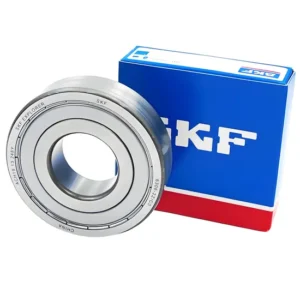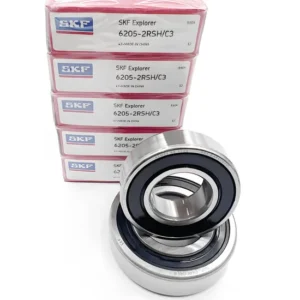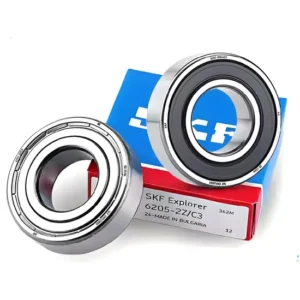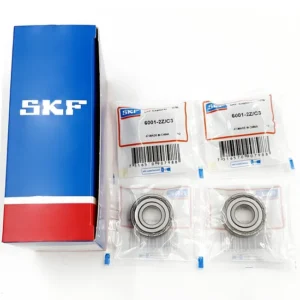
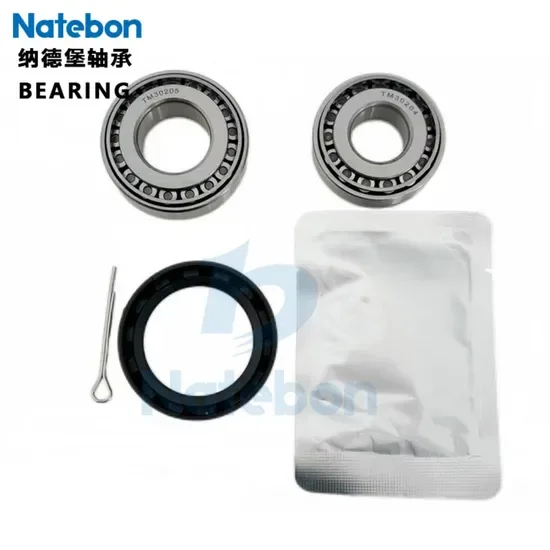


Description
Verified Distribution Chain — Sourced through documented authorized channels with full batch traceability for every Natebon P0 hub unit shipped.
Technical Specifications
| Parameter | Value |
|---|---|
| Designation | Natebon P0 Precision 3rd Gen Wheel Hub Bearing Auto |
| Bearing Type | 3rd Generation Wheel Hub Unit |
| Precision Class | P0 |
| Material | Chrome Steel |
| Wheel Hub System | 3rd Gen Hub Unit |
| Steering System | EPS Bearings |
| Number of Rows | Not specified |
| Origin | China |
Note: Specific dimensional data (bore, OD, width) and load ratings are unverified and subject to confirmation against the manufacturer catalog for the exact variant requested.
Application Suitability
| Industry | Typical Applications |
|---|---|
| Automotive & Heavy Vehicle Repair | Wheel end replacement on passenger vehicles and light commercial trucks |
| General MRO | Fleet maintenance for delivery vans and service vehicles |
| Material Handling | Forklift steering axles and electric power steering (EPS) columns |
The Thermal Reality of Hub Units on Commercial Fleets
Matching the base number is only half the battle; ignoring the hub generation and precision class leads to field failures that no warranty will cover.
When a fleet operator in the Middle East replaced a second-generation hub with a third-generation unit that looked physically similar, the ABS sensor gap was off, triggering intermittent fault codes and pulling three vans out of service for diagnostics. The root cause was a cross-reference based on outer diameter alone, overlooking the integrated sensor ring and flange geometry specific to 3rd Gen systems. [NEED_CITE: ABS sensor integration requirements across wheel hub generations] This is a common pattern where procurement matches the bore and width but misses the system-level integration, resulting in unplanned downtime that far exceeds the cost difference between the correct and incorrect part.
Matching the Hub Unit to the Vehicle Architecture
A 3rd generation hub unit is a pre-assembled, pre-adjusted module that integrates the bearing races, seals, and mounting flange into one compact cartridge. This P0 Precision Auto Wheel Hub Bearing 3rd Gen Hub Unit is engineered for direct OEM-fit replacement in passenger and commercial vehicle platforms where the hub is bolted to the knuckle or axle carrier. The integration eliminates the need for manual preload adjustment during installation, a step that introduces variability and potential error with earlier generation designs. We routinely cross-reference OEM equipment numbers to confirm the flange bolt pattern, ABS tone ring specification, and spline count before quoting, so the unit drops in without modification.
Load, Speed, and Temperature at the Wheel End
Wheel hub bearings endure a complex load spectrum: radial loads from vehicle weight, axial loads from cornering and camber thrust, and impact shocks from road irregularities. The thermal environment is equally demanding, with brake-generated heat radiating into the hub assembly during prolonged descent or stop-start urban driving. [NEED_CITE: thermal transfer from brake rotor to wheel bearing assembly] Chrome Steel construction provides the baseline hardness and rolling contact fatigue resistance required for these conditions, while P0 precision class ensures dimensional accuracy suitable for standard automotive wheel end tolerances. Sealed-for-life designs rely on the factory grease fill and integrated seals to survive the service interval without re-lubrication, making seal integrity a critical factor in longevity.
Decoding the P0 Precision and Chrome Steel Selection
The P0 designation indicates normal precision class, which aligns with the dimensional and running accuracy requirements for general automotive wheel end applications where the hub unit is the rotating element. This is not a precision spindle application; P0 delivers the correct balance of manufacturing tolerance and cost-effectiveness for replacement hubs on passenger and commercial vehicles. The Chrome Steel material, typically through-hardened to standard bearing hardness levels, provides consistent fatigue life under the mixed radial-axial loading that wheel ends experience. The third-generation design consolidates what were previously separate bearing and hub components, and this consolidation means the internal raceway geometry, seal lips, and grease fill are all matched at the factory for the specific load and speed envelope of the target vehicle platform.
What a Mismatched Hub Unit Actually Costs
Installing a hub unit with the wrong ABS tone ring count or an incompatible flange bolt pattern does not just cause a warning light; it can void the vehicle’s electronic stability system functionality and expose the fleet operator to liability. Sourcing from unverified channels increases the risk of receiving units with soft inner rings or inadequate seal materials that fail prematurely under brake heat. [NEED_CITE: wheel bearing failure modes per ISO 15243 classification] The correct P0 Precision Auto Wheel Hub Bearing 3rd Gen Hub Unit from a traceable supply chain delivers documented origin, verified material grade, and dimensional conformance, which together protect against the catastrophic cost of a wheel-off incident or a voided vehicle warranty.
How Our Sourcing Process Reduces Your Risk
Every hub unit we quote is sourced through authorized distributor channels with traceable documentation, not from open-market brokers. We verify the cross-reference against the OEM equipment number, checking not just the base designation but the flange geometry, sensor compatibility, and internal clearance specification. Country-of-origin documentation is provided for your import clearance, and our pre-shipment inspection includes dimensional spot-checks on critical hub interface surfaces. We have seen buyers in Riyadh lose entire orders to customs holds because the origin paperwork was missing or inconsistent; our documentation package is built to prevent that. When a buyer in Dubai needed to substitute a hub unit across brands due to lead time, our interchange comparison confirmed the exact spline count, tone ring, and bolt pattern match before the replacement was approved.
Documentation & Authenticity
- Supplier Certificate of Conformity (COC) issued per shipment batch, confirming the P0 precision class and Chrome Steel material for each hub unit.
- Material certificate identifying the specific Chrome Steel grade and heat treatment condition of the bearing rings and rolling elements.
- Dimensional inspection report covering critical hub interface dimensions including flange runout and bore diameter, verifying conformance before dispatch.
- Country-of-origin documentation prepared to match the destination country’s import requirements, supporting customs clearance for Middle East, Africa, and Latin America shipments.
- HS code classification and export documentation support to streamline your import filing process.
Storage, Handling & Mounting
- Retain the 3rd Gen hub unit in its original sealed packaging until the moment of installation; premature exposure to dusty workshop environments contaminates the factory grease fill and compromises the integrated seals.
- Store Chrome Steel hub assemblies in a dry environment away from direct sunlight and heat sources, as thermal cycling can degrade the seal elastomers before the unit is ever mounted.
- Use clean gloves when handling the hub mounting flange and ABS sensor ring area; fingerprint oils and workshop grime on the tone ring surface can interfere with sensor signal quality.
- Mount the unit using the specified bolt torque sequence and values from the vehicle service manual; the 3rd Gen design is pre-adjusted at the factory, and over-torquing the flange bolts induces raceway distortion that shortens bearing life.
- Do not apply induction heating to the hub unit during installation; the integrated seals, ABS sensor components, and factory grease are heat-sensitive, and cold press-fit or bolt-on mounting per OEM procedure is mandatory.
Specify Your Application and Verify the Match
Share your vehicle OEM number or the existing hub unit’s exact designation along with the flange bolt pattern and ABS sensor type, so we can run a full cross-reference check covering dimensions, precision class, and system compatibility. If you need the documentation package reviewed before placing a bulk order, request our standard COC, material certificate, and origin document template for your destination country.
Frequently Asked Questions
Q: How do I verify the authenticity and origin of an imported auto hub bearing?
A: Request the supplier’s Certificate of Conformity with batch traceability, a material certificate confirming the Chrome Steel grade, and country-of-origin documentation. We provide all three as standard, along with HS code support for your import filing.
Q: Why must cross-reference matching go beyond the base bearing number?
A: The base number identifies the general envelope, but hub units vary in flange bolt pattern, ABS tone ring tooth count, spline specification, and internal clearance. Substituting on base number alone risks sensor incompatibility, mounting interference, or premature thermal failure under actual operating conditions.
Q: What is the practical difference between P0 and higher precision classes for wheel hub applications?
A: P0 is the standard precision class for automotive wheel end bearings, providing the dimensional and running accuracy required for normal passenger and commercial vehicle service. Higher classes like P6 or P5 are specified for machine tool spindles or precision instrumentation where tighter runout tolerances directly affect process quality.
Q: How does a 3rd generation hub unit differ from 1st or 2nd generation designs in installation?
A: First-generation units are typically press-fit into the knuckle and require manual preload adjustment. Second-generation units add a flange but may still need adjustment. Third-generation units are fully pre-assembled and pre-adjusted at the factory, integrating both inner and outer races with seals and the ABS ring as a single bolt-on cartridge that requires no preload setting during installation.
Q: What is the typical lead time and inspection process for bulk hub unit orders?
A: Lead times depend on the specific variant and quantity; we confirm availability and provide a delivery schedule at quotation. All bulk orders include pre-shipment dimensional inspection on critical hub interface dimensions, with the inspection report included in the documentation package.
Confirm Your Hub Unit Specification
Send us the OEM equipment number or the exact vehicle platform details, and we will return a cross-referenced quotation with full documentation and lead time within one business day.