



Description
Authorized Channel Traceability — SKF super-precision bearings sourced through verified distributor networks with complete batch documentation from factory to your receiving dock.
Technical Specifications
| Parameter | Value |
|---|---|
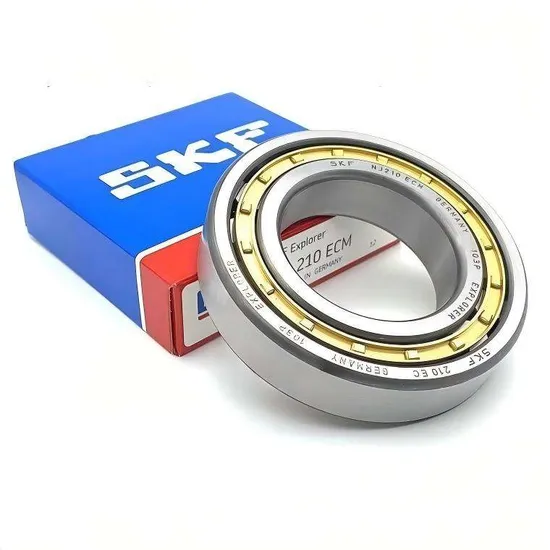
| Designation | SKF NN 3026KTN9/SPVR522 |
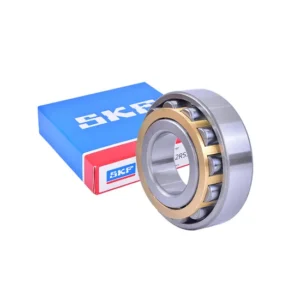
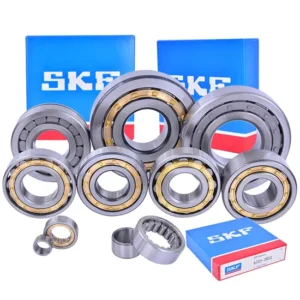
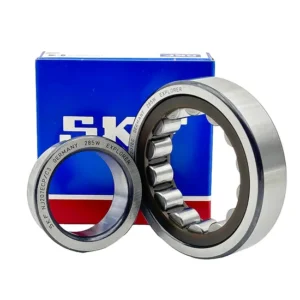
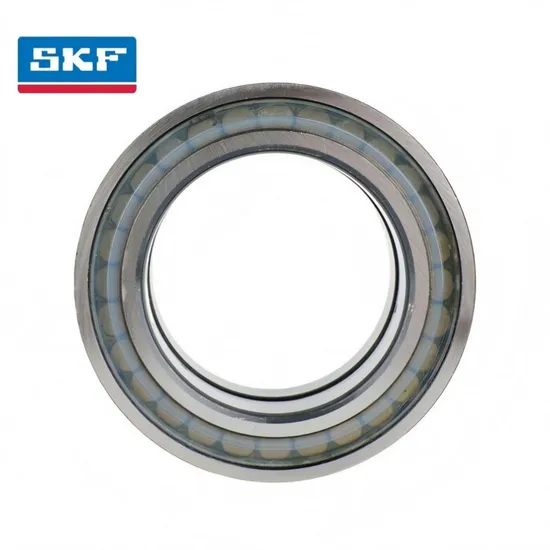
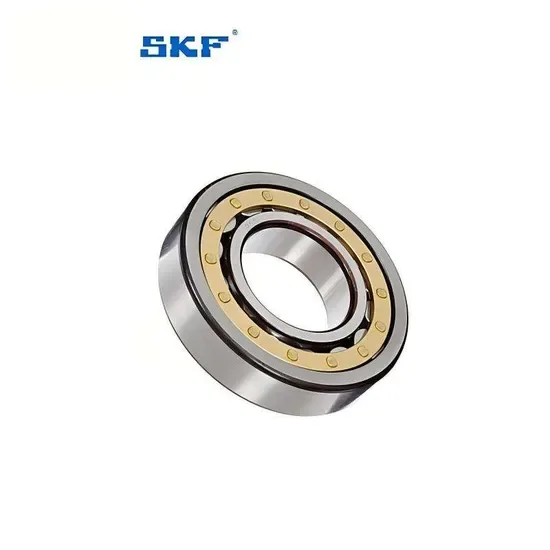
| Bearing Type | Double Row Cylindrical Roller Bearing |
| Bore Diameter (d) | 130 mm |
| Outside Diameter (D) | 200 mm |
| Width (B) | 52 mm |
| Dynamic Load Rating (C) | 292 kN |
| Limiting Speed (Grease) | 4300 r/min |
| Cage Material | Glass Fiber Reinforced Polyamide 6,6 (TN9) |
| Seal or Shield Type | Open |
| Bore Type | Tapered (1:12 taper) |
| Number of Rows | Double Row |
| Precision Class | SP |
| Origin | China |
Note: The suffixes VR522 and SP require confirmation against the manufacturer catalog for application-specific variants.
Application Suitability
| Industry | Typical Applications |
|---|---|
| Machine Tool Manufacturing | High-speed spindle rear support, precision boring bar bearings |
| Rolling Mills | Work roll neck bearings, backup roll positioning |
| Industrial Gearboxes | High-speed shaft support in heavy-duty transmissions |
What Suffix Confusion Costs on Machine Tool Spindles
A single overlooked suffix can transform a precision spindle into a vibration source within weeks.
I’ve walked into workshops where operators blamed "bad batches" when their spindles started chattering during finishing cuts. The root cause? Someone matched the base NN 3026 number but ignored the SP precision class and TN9 cage specification. Standard P0 precision bearings with brass cages were installed where super-precision polyamide cages were required. The result: thermal growth at 4000 r/min caused cage deformation, and the spindle lost its geometric accuracy [NEED_CITE: bearing failure modes from thermal instability in high-speed applications].
The SKF NN 3026KTN9/SPVR522 double row cylindrical roller bearing demands exact suffix matching because machine tool spindles operate at the intersection of precision and speed where compromises fail quickly.
Why This Bearing Matches Spindle Demands
The tapered bore design enables direct mounting on precision-ground tapered shaft seats, eliminating the need for additional locking devices that introduce runout errors. When you’re chasing micron-level accuracy on a grinding spindle, every interface matters. The polyamide cage reduces weight significantly compared to brass alternatives, lowering centrifugal forces that would otherwise limit maximum speed capability.
We’ve supported customers retrofitting older equipment where OEM documentation listed only partial designations. Cross-referencing against our database revealed that the original specification required the K taper bore with specific cage material—not the cylindrical bore variant that had been substituted during previous maintenance.
Operating Stresses in Precision Rotating Equipment
High-speed spindles generate internal heat through rolling contact friction and cage drag, creating thermal gradients that affect operating clearance. The open bearing design allows flood lubrication or oil-air systems to carry heat away from the contact zones, but this places responsibility on the machine builder to maintain filtration and flow rates.
Radial loads in spindle applications combine cutting forces with preload from adjacent angular contact bearings. The double row cylindrical configuration handles these radial components while the SP precision class ensures that inner and outer ring geometries stay within tight tolerances during thermal cycling [NEED_CITE: thermal effects on bearing dimensional stability].
The 130 mm bore diameter places this bearing in a size range where induction heating installation becomes necessary, and the tapered bore requires careful measurement of axial drive-up distance to achieve correct residual clearance.
Decoding the Engineering Decisions
The TN9 polyamide cage operates effectively across temperature ranges typical of machine tool environments, offering low friction and good dimensional stability under centrifugal loading. Unlike machined brass cages, the injection-molded design provides consistent pocket geometry that maintains roller guidance at high rotational speeds.
The K tapered bore with 1:12 taper allows precise adjustment of internal clearance through axial positioning on the shaft. This matters because thermal expansion during spindle warm-up cycles changes the interference fit, and the ability to set initial clearance compensates for these predictable shifts.
SP precision class sits above standard P5 and approaches P4 territory for critical dimensions. For spindle applications, this translates to reduced radial runout that directly affects workpiece surface finish and dimensional accuracy.
The double row arrangement with rollers oriented in parallel provides high radial stiffness—essential when cutting forces try to deflect the spindle away from its programmed path.
The Hidden Price of Substituted Components
When procurement teams focus solely on base designation and accept "equivalent" alternatives, they inherit problems that surface months later during production. A bearing that physically fits but lacks the correct cage material may survive initial run-in testing but fail catastrophically when the spindle reaches sustained high-speed operation [NEED_CITE: ISO 15243 bearing damage classification].
Premature cage wear generates debris that contaminates lubricant and accelerates roller surface damage. In precision grinding operations, this manifests as chatter marks on finished parts—scrapping workpieces that have already accumulated significant machining value.
Correct specification matching through authorized channels with full documentation prevents these scenarios. The cost difference between verified genuine product and questionable alternatives becomes negligible when measured against unplanned downtime and lost production capacity.
Why Technical Buyers Source Through Our Network
We maintain relationships with authorized distributor channels rather than claiming official distributorship ourselves. This means you receive genuine SKF product with traceable batch documentation, but with the flexibility to request cross-reference comparisons when equipment modifications or substitutions become necessary.
Our verification process includes checking QR codes through official brand applications to confirm authenticity before shipment. Counterfeit bearings with cloned markings continue circulating through unverified intermediaries, and soft inner rings that pass visual inspection but fail under load represent real risk in precision applications.
For customers managing mixed-brand equipment fleets, we provide interchange guidance that matches clearance, cage type, and precision class together—not just base dimension numbers. A C3 clearance bearing installed where C4 was specified for thermal expansion will bind during operation, while the reverse creates excessive play that degrades accuracy.
Country-of-origin documentation supports import compliance requirements, and material certificates accompany shipments for customers whose quality systems demand full traceability from steel mill through final assembly.
Documentation & Authenticity
- Supplier Certificate of Conformity with batch and lot traceability linking to SKF production records
- QR code verification pathway through SKF official mobile applications for authenticity confirmation
- Third-party dimensional inspection reports confirming SP precision class parameters before dispatch
- Country-of-origin certificates supporting customs clearance and import documentation requirements
- Material certificates documenting bearing steel grade and heat treatment specifications
Storage, Handling & Mounting
- Retain original sealed packaging until mounting to protect the polyamide cage from moisture absorption and UV degradation
- Store in temperature-controlled environments between 5°C and 30°C to prevent condensation on precision-ground raceway surfaces
- Use clean cotton gloves during handling to avoid fingerprint corrosion on the 130 mm bore and outer ring surfaces
- Apply induction heating to 80-100°C maximum for tapered bore installation, monitoring temperature to protect the TN9 cage material
- Measure axial drive-up distance on the tapered shaft seat to achieve specified residual clearance after cooling
- For open bearing installations, verify that external sealing systems prevent coolant and chip ingress during machine operation
Technical Inquiry Process
Request Your Application Review
Share your spindle operating parameters including maximum speed, radial load spectrum, and lubrication method so we can verify that the SKF NN 3026KTN9/SPVR522 double row cylindrical roller bearing matches your requirements. If you’re replacing existing bearings, provide the OEM equipment number or current bearing designation for cross-reference confirmation.
Request the documentation package including authenticity verification procedures and country-of-origin details before committing to volume orders. Our team can confirm batch availability and typical multi-week lead times based on current distributor stock levels.
Contact us through your preferred channel to begin the technical selection review.
Frequently Asked Questions
Q: How do I verify that my SKF NN 3026KTN9/SPVR522 is genuine?
A: Genuine bearings include QR codes scannable through SKF’s official mobile applications that return batch information matching physical markings. Authorized channels provide traceability documentation linking your specific units to production records.
Q: What does the TN9 cage specification mean for operating temperature limits?
A: The TN9 designation indicates glass fiber reinforced polyamide 6,6 cage material suitable for typical machine tool temperature ranges. Operating above recommended limits risks cage deformation and loss of roller guidance.
Q: Why must I match the SP precision class rather than accepting P5 alternatives?
A: SP precision provides tighter geometric tolerances than standard P5 grades. In high-speed spindle applications, these differences affect radial runout, which directly influences workpiece surface finish and dimensional accuracy.
Q: How does the tapered K bore affect installation procedures?
A: The 1:12 tapered bore requires axial positioning on matching tapered shaft seats to set correct internal clearance. This demands precise measurement of drive-up distance rather than simple press-fit installation.
Q: What cross-reference considerations apply when substituting brands?
A: Valid cross-references must match bore type, cage material, precision class, and clearance together—not just basic dimensions. Our technical team verifies these parameters across SKF, NSK, FAG, TIMKEN, NTN, and KOYO product ranges.
Get Your Technical Specification Package
Send your application details or OEM equipment number for cross-reference verification and documentation review. We respond with availability confirmation and complete technical data to support your procurement decision.