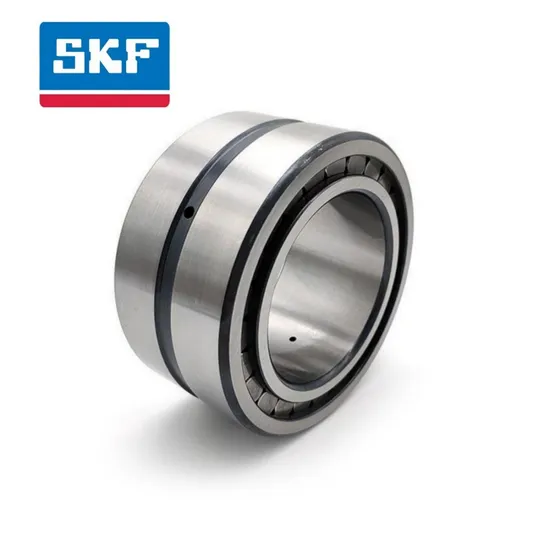


Description
Traceable Supply Chain — Sourced through authorized SKF distributor channels with complete batch documentation and Certificate of Conformity for import compliance.
Technical Specifications
| Parameter | Value |
|---|---|
| Designation | SKF N 1017TN9/SP |
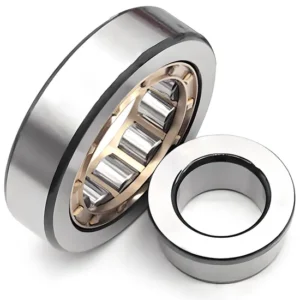
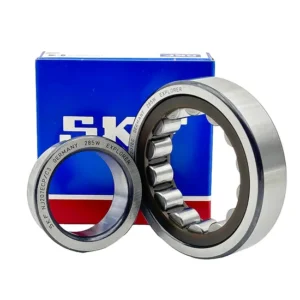
| Bearing Type | Cylindrical Roller Bearing |
| Bore Diameter (d) | 85 mm |
| Outside Diameter (D) | 130 mm |
| Width (B) | 22 mm |
| Weight | 0.250 kg |
| Cage Material | Polyamide 6,6 (Glass Fiber Reinforced) |
| Seal or Shield Type | Open |
| Number of Rows | Single Row |
| Bore Type | Cylindrical |
| Origin | China |
The SP precision suffix designation requires confirmation against manufacturer specifications for exact tolerance class — consult application requirements before finalizing selection.
Application Suitability
| Industry | Typical Applications |
|---|---|
| Industrial Machinery | High-speed gearbox main shafts, precision transmission systems |
| Electric Motors | Traction motor rotor support, generator shaft bearings |
| Steel & Metallurgy | Rolling mill work rolls, continuous caster guide rollers |
What Happens When You Ignore the Polyamide Cage Specification
The cage material isn’t a minor detail — it determines whether your spindle survives or self-destructs.
I’ve seen procurement teams match the base number perfectly, swap in a stamped steel cage version because it was cheaper and available faster, then wonder why the bearing overheated within weeks. The TN9 polyamide cage in this SKF N 1017TN9/SP cylindrical roller bearing reduces rotating mass and handles the thermal expansion characteristics that high-speed spindles demand. When you substitute without verifying the cage suffix, you’re not saving money — you’re scheduling unplanned downtime. Counterfeit bearings with cloned markings and soft inner rings pass visual inspection but fail catastrophically under load, taking the entire assembly with them [NEED_CITE: rolling bearing failure mode classification per ISO 15243].
Matching the SKF N 1017TN9/SP to Your Operating Profile
This bearing suits applications running sustained high speeds with moderate radial loads where the polyamide cage’s lower inertia and better lubricant film retention provide measurable advantages. The open design requires external lubrication systems — sealed housings with controlled oil feed or regular grease replenishment intervals. When we review cross-reference requests, we verify not just dimensional interchange but whether the substitute’s cage material and precision class match your actual speed and thermal conditions, not just the envelope dimensions.
Operating Environment and Performance Demands
The load profile matters: pure radial loading at high RPM is where single-row cylindrical rollers excel, but combined loads or frequent direction reversals demand different architectures. Speed generates heat, and heat affects internal clearance — if your operating temperature climbs significantly above ambient, standard clearance may tighten to the point of thermal binding. Lubrication method determines maintenance intervals and contamination risk; oil-air systems handle high speeds better than grease but require filtration. Installation method affects residual clearance and alignment — induction heating for interference fits must respect temperature limits to avoid annealing the rings.
Understanding the TN9 Cage and Open Configuration
The glass fiber reinforced polyamide 6,6 cage offers specific advantages: lower density than brass or steel cages reduces centrifugal forces at high speed, better lubricant retention in the cage pockets extends relubrication intervals, and the material’s elasticity accommodates minor misalignment without edge loading. However, polyamide has temperature limits and chemical compatibility constraints — certain synthetic lubricants and elevated temperatures degrade the material. The open type configuration assumes your housing provides adequate sealing; if contamination ingress is likely, external labyrinth seals or filtered breathers become critical. The SP precision designation targets applications requiring tighter running accuracy than standard production tolerances, typically machine tool spindles or precision gearboxes where vibration and surface finish matter.
The Hidden Cost of Specification Drift
Correct specification matching and verified supply chains prevent failures that ISO 281 life calculations assume won’t happen. Wrong clearance class causes either excessive play and vibration or thermal preload and premature fatigue. Substandard cage materials fail at speeds the original design assumed were safe. Counterfeit bearings with incorrect metallurgy show normal dimensions but spall within months. These failures don’t just cost the bearing — they damage shafts, housings, and downstream components, void equipment warranties, and create safety incidents [NEED_CITE: economic impact of unplanned industrial downtime].
Why Engineers Verify Through Our Channel
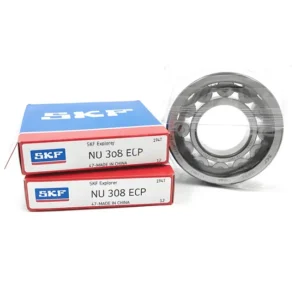
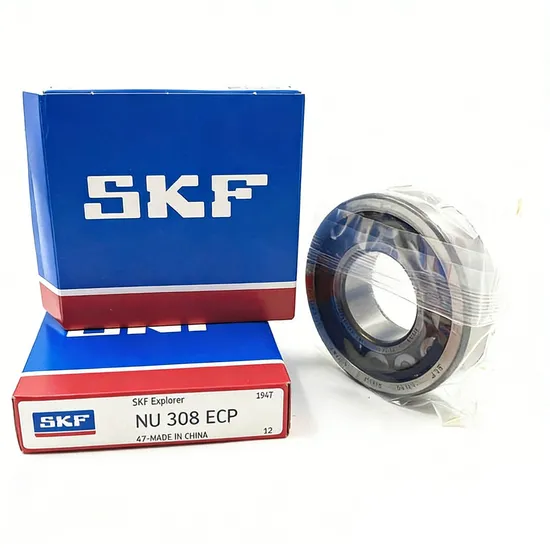
We source SKF N 1017TN9/SP cylindrical roller bearings through authorized distributor networks with full documentation chains — every shipment includes batch traceability back to the production facility. Our cross-reference database checks cage material, precision class, and clearance together, not just the base designation, so substitutions don’t introduce failure modes. When customers need origin documentation for customs clearance or third-party inspection reports for critical applications, we provide them as standard. The QR codes on genuine SKF packaging link to official verification systems; we guide customers through that process and flag red flags when packaging details don’t match official specifications.
Documentation & Authenticity
- Supplier Certificate of Conformity with batch and lot numbers traceable to SKF production records
- Third-party dimensional inspection reports confirming bore tolerance and running accuracy before dispatch
- Country of origin documentation and HS code classification for import compliance
- QR code verification pathway using SKF official mobile applications for authenticity confirmation
- Material certificates documenting bearing steel grade and heat treatment compliance
Storage, Handling & Mounting
- Keep sealed in original packaging until installation to preserve the factory-applied corrosion inhibitor on this open type bearing
- Store in climate-controlled environment with humidity below 60% to prevent moisture condensation on the precision-ground raceways
- Use clean lint-free gloves during handling — fingerprint acids etch the superfinished surfaces and initiate corrosion pits
- Mount using induction heating to 110°C maximum for interference fits; never exceed this temperature or the polyamide cage may deform
- Apply specified lubricant immediately after mounting since the open design provides no corrosion protection once the preservative is displaced
- Verify shaft and housing tolerances match the SP precision requirements — loose fits compromise running accuracy and accelerate cage wear
Technical Inquiry Process
Share your operating parameters — speed, load spectrum, temperature range, and lubrication method — so we can verify this SKF N 1017TN9/SP cylindrical roller bearing suits your application or recommend a better-matched alternative. If you’re replacing an existing bearing, provide the OEM equipment number and we’ll cross-check the original specification against current SKF suffix conventions. Request the documentation package and confirm batch availability before committing to production schedules.
Frequently Asked Questions
Q: How do I verify this SKF bearing is genuine?
A: Genuine SKF bearings include QR codes on packaging that link to official verification systems. Check the laser marking quality on the bearing rings — counterfeits often have shallow or inconsistent engraving. We provide batch documentation traceable through authorized channels and guide customers through the official app verification process.
Q: What does the TN9 suffix mean for this cylindrical roller bearing?
A: TN9 indicates an injection-molded, glass fiber reinforced polyamide 6,6 cage. This material reduces weight compared to brass or steel cages, lowering centrifugal forces at high speed and improving lubricant retention in the cage pockets.
Q: What should I check when cross-referencing this bearing to another brand?
A: Verify not just dimensional interchange but also cage material, precision class, and internal clearance. A bearing matching the base number but using a different cage type or precision grade may fit physically but fail prematurely in your specific application.
Q: When should I choose this bearing over sealed alternatives?
A: The open design suits applications with external lubrication systems, high speeds requiring oil-air lubrication, or environments where you can provide housing-level contamination protection. Sealed bearings add friction and limit speed capability.
Secure Your Genuine SKF N 1017TN9/SP Supply
Contact us with your application parameters or OEM reference numbers for technical verification and documentation package review.
Email: sales@bearing-supplier.com | WeChat: bearing_expert_china