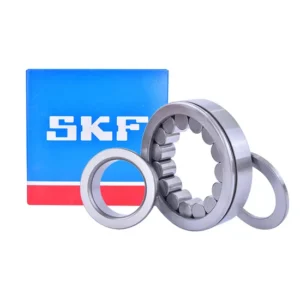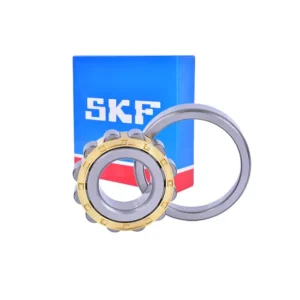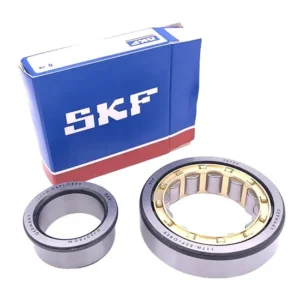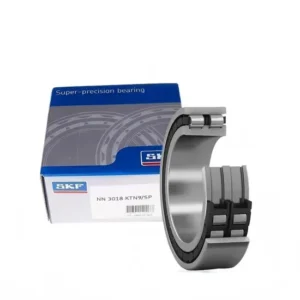




Description
Frequently Asked Questions
Q: When cross-referencing the NN3020KTN9/SP, which suffixes must all match?
A: The K (tapered bore), TN9 (PA66 cage), and SP (super precision class) must all align — not just the NN3020 base number. A bearing matching only the base designation but carrying a cylindrical bore, brass cage, or P0 precision will not function correctly in a spindle application designed around the tapered bore drive-up, lightweight high-speed cage, and tight running accuracy of the full suffix set.
Q: How does SP precision compare to P4 or P5 for spindle use?
A: SP is a super-precision class that delivers dimensional and running accuracy comparable to P4 in the critical parameters for spindle bearings, particularly radial runout and bore tolerances. It is tighter than P5. The distinction matters because spindle surface finish and dimensional accuracy of the machined part depend directly on the bearing’s running accuracy under load.
Q: Should I choose a PA66 (TN9) cage or a brass cage for a high-speed spindle?
A: The TN9 PA66 cage is lighter than a machined brass cage, which reduces centrifugal forces on the cage pockets at high rpm and lowers the risk of cage fracture. It also has self-lubricating properties during brief oil starvation at startup. Brass cages handle higher temperatures and heavier loads but add mass that becomes a liability above certain speed thresholds. The spindle manufacturer’s original specification should guide this choice.
Q: What is the correct procedure for mounting a K tapered bore bearing?
A: The bearing is driven axially up the 1:12 tapered journal shaft to a measured distance that achieves the target residual internal clearance. This drive-up distance is typically specified by the spindle or bearing manufacturer and must be verified with a dial indicator or feeler gauge. Under-driving leaves excessive clearance and vibration; over-driving creates preload, heat, and accelerated wear.
Q: How can I verify the authenticity of a SKF bearing I received?
A: Each genuine SKF bearing carries a unique batch identifier that can be scanned via the SKF Authenticate app or verified through the documentation chain. Request the Certificate of Conformity, material certificate, and batch traceability records from your supplier before installation, and cross-check the QR code against SKF’s official verification system.