

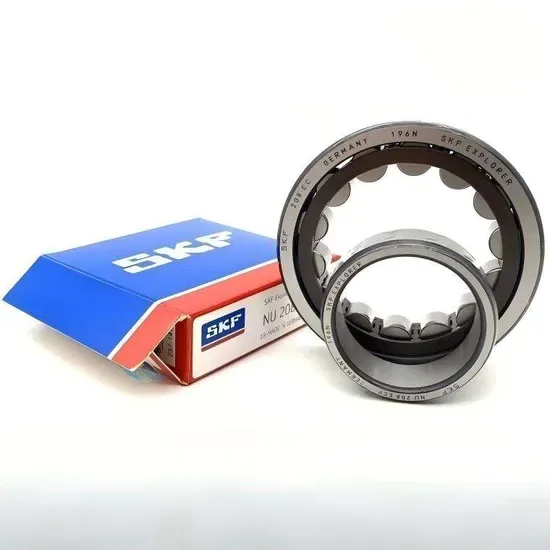

Description
Authorized Channel Sourcing — SKF NN3024 KTN3/SP cylinders ship with batch-linked documentation traceable to the manufacturer’s original production lot.
Technical Specifications
| Parameter | Value |
|---|---|
| Designation | SKF NN3024 KTN3/SP |
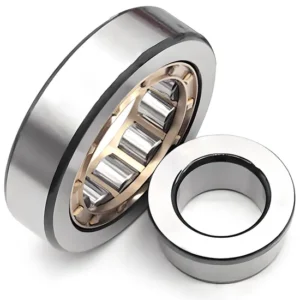
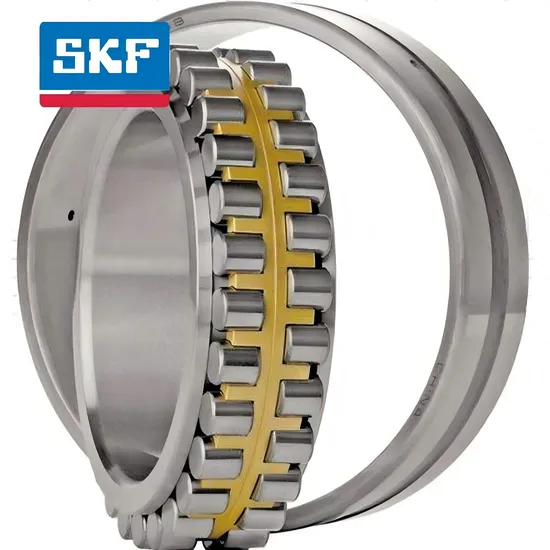
| Bearing Type | Double Row Cylindrical Roller Bearing |
| Bore Diameter (d) | 120 mm |
| Outside Diameter (D) | 180 mm |
| Width (B) | 46 mm |
| Weight | 4.15 kg |
| Number of Rows | Double Row |
| Bore Type | Tapered (1:12 taper) |
| Precision Class | SP (Super Precision) |
| Seal or Shield Type | Open |
| Origin | China |
Note: The TN3 cage designation appears in the product suffix but requires confirmation against the current SKF super-precision catalog; TN9 (glass fibre reinforced PA66) is the standard cage for this series.
Application Suitability
| Industry | Typical Applications |
|---|---|
| Machine Tool Manufacturing | Main spindle rear support / High-speed milling spindle cartridge |
| Precision Gearboxes | High-rigidity output shaft radial support |
| Industrial Equipment MRO | Replacement radial bearing for CNC lathe spindle rebuilds |
What a Suffix Mismatch Costs on a Spindle Rebuild
A single overlooked suffix can turn a planned spindle overhaul into a two-shift scrap run.
I once watched a buyer accept a standard CN clearance on an NN 3018 because the base number matched. Within hours the spindle housing ran hot, runout exceeded acceptable limits, and an entire batch of machined parts had to be scrapped. That scenario repeats constantly across workshops that treat the base designation as the whole story. The SKF NN3024 KTN3/SP double row cylindrical roller bearing carries a tapered bore, SP precision class, and a specific cage designation — each suffix exists for a reason tied directly to thermal behavior, mounting interference, and running accuracy [NEED_CITE: bearing suffix system impact on application suitability per ISO 492]. Matching only the numbers before the suffix is how premature cage failures and thermal binding end up on the maintenance log.
How Tapered Bore Geometry Serves Spindle Mounting
The SKF NN3024 KTN3/SP double row cylindrical roller bearing locks onto a tapered shaft seat using axial drive-up, eliminating the need for separate locking nuts or adapter sleeves in many spindle designs. This direct interference fit gives maintenance crews fine control over residual radial clearance during assembly — a critical adjustment for machine tool spindles that must balance rigidity against thermal growth at sustained rpm. When we cross-reference this bearing against competing catalogs, the tapered bore dimension and drive-up distance must align with the OEM shaft specification, not just the nominal bore size.
Thermal Growth and Precision Under Sustained Spindle Loads
Machine tool spindles generate heat continuously through cutting forces and internal friction, making thermal expansion a primary design constraint. An SP-class bearing holds tighter dimensional and running tolerances than a standard P5 equivalent, which directly controls radial runout at the tool tip [NEED_CITE: super-precision bearing classification and running accuracy per ISO 492]. The double row cylindrical arrangement handles the high radial loads typical of milling and turning operations while maintaining the shaft rigidity needed for surface finish quality. Open construction allows the spindle designer to specify oil-air or oil mist lubrication routed through the housing, avoiding the speed limitations that contact seals impose on high-rpm spindles.
Cage Material, Taper, and What the Suffixes Actually Control
The K suffix confirms a 1:12 tapered bore, meaning the internal diameter narrows along a precise conical surface that mates with a matching tapered shaft journal. Axial drive-up on this taper simultaneously sets the interference fit and the internal radial clearance — overtightening crushes the roller-to-raceway film, while undertightening leaves radial play that degrades finish quality. The SP precision class sits between P5 and P4, offering tighter bore and OD tolerances than industrial-grade bearings without the cost of full P4 specification where the application does not demand it. The TN3 suffix points to a polyamide cage variant; confirming the exact cage material against the manufacturer’s current documentation is essential before specifying lubricant compatibility, since certain synthetic greases can degrade specific polymer cages over extended service intervals.
The Hidden Downtime Behind a Cheap Substitute
Procurement teams sometimes justify non-original or mis-specified bearings on unit price alone, but the downstream cost structure tells a different story. An incorrect clearance class on a tapered bore bearing can go unnoticed until the spindle reaches operating temperature and thermal binding initiates — at which point the bearing is already damaged and the shaft journal may require regrinding. ISO 15243 classifies these failures under material fatigue and smearing, both of which void any remaining equipment warranty [NEED_CITE: rolling bearing failure mode classification per ISO 15243]. The cost of one unplanned spindle teardown — lost production hours, replacement seals, shaft rework, and recertification — typically dwarfs the savings from cutting corners on the bearing itself.
How Verification Actually Works Before Shipment
We source SKF super-precision bearings through authorized distributor channels, meaning the documentation chain traces back to the manufacturer’s production facilities rather than passing through unverified intermediaries. For the SKF NN3024 KTN3/SP double row cylindrical roller bearing, this means batch and lot numbers on the Certificate of Conformity can be cross-referenced against SKF’s own traceability systems. Our cross-reference database aligns not just base numbers but clearance, cage type, and precision class together — so when a maintenance engineer provides an OEM equipment number, we verify the full suffix string rather than assuming a standard variant will fit. Country-of-origin documentation ships with every export order, resolving customs and import compliance questions before the crate leaves the warehouse [NEED_CITE: counterfeit bearing identification methods in industrial supply chains].
Documentation & Authenticity
- Supplier Certificate of Conformity listing the SKF NN3024 KTN3/SP batch and lot numbers for factory traceability
- QR code verification pathway through SKF’s official mobile application to confirm the bearing’s production origin
- Country-of-origin certificate supporting import documentation for customs clearance at destination
- Dimensional inspection report verifying SP-class bore taper angle and OD tolerance before dispatch
- Material certificate confirming bearing steel grade and heat treatment compliance for the specific production lot
Storage, Handling & Mounting
- Retain the original sealed packaging until the moment of spindle assembly; early exposure to workshop humidity risks surface corrosion on the SP-grade raceways before the bearing even sees service
- Handle the SKF NN3024 KTN3/SP with clean lint-free gloves to protect the open bearing surfaces from particulate contamination that could score the high-precision roller paths
- During tapered bore mounting, measure axial drive-up distance against the manufacturer’s specified range to set correct residual radial clearance — overtightening eliminates the oil film and triggers immediate thermal damage
- For open-type spindle bearings, confirm that the housing oil-air or oil mist delivery system is operational before first rotation; dry startup at high rpm destroys the roller surfaces within minutes
- Store horizontally in a temperature-stable environment away from direct sunlight to prevent polyamide cage material degradation prior to installation
Request a Quotation or Technical Cross-Reference
Share your spindle application parameters — operating speed, radial load, and housing bore tolerance — so we can confirm whether the SKF NN3024 KTN3/SP matches your requirements or if an alternate clearance or precision class is needed. If you are replacing an existing bearing, provide the OEM equipment number and we will verify the full suffix specification against our cross-reference database.
Frequently Asked Questions
Q: What does SP precision mean compared to P4 or P5?
A: SP (Super Precision) sits between P5 and P4 in the ISO 492 classification. It offers tighter dimensional and running accuracy than standard P5 industrial bearings, making it suitable for machine tool spindles where runout control matters, without the cost premium of full P4 where the application does not require it.
Q: How do I verify the authenticity of an SKF bearing after receiving it?
A: SKF provides an official mobile application that reads the QR code or barcode on the bearing packaging and product marking. This returns batch, production date, and origin data directly from SKF’s systems, allowing you to confirm the bearing has not been relabeled or diverted through unauthorized channels.
Q: What does the K suffix mean and how does it change the mounting process?
A: The K suffix indicates a tapered bore with a 1:12 taper ratio. This requires mounting onto a matching tapered shaft journal using controlled axial drive-up, which simultaneously sets the interference fit and internal radial clearance — a process that demands specific measurement tools and procedure discipline compared to cylindrical bore press-fitting.
Q: Why must clearance, cage material, and precision all match together in a cross-reference?
A: Each suffix controls a different physical behavior under load and temperature. Matching the base number but substituting a different cage polymer or clearance class can cause thermal incompatibility, lubricant breakdown, or running accuracy loss that manifests as premature field failure — even though the bearing physically fits the housing.
Q: Is the TN3 cage designation the current standard for this bearing series?
A: The TN3 suffix appears on this specific product designation, but SKF’s standard cage for the NN 30 K series is typically TN9 (glass fibre reinforced PA66). We recommend confirming the exact cage material against the current manufacturer catalog before finalizing lubricant specification and operating temperature limits.
Confirm Your Spindle Bearing Specification
Send us your OEM equipment number or application parameters — we will return a verified cross-reference with full documentation within one business day.