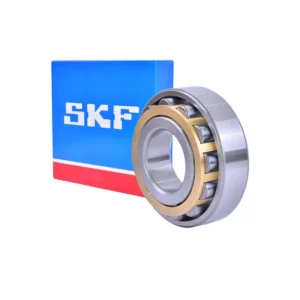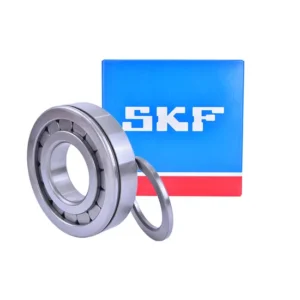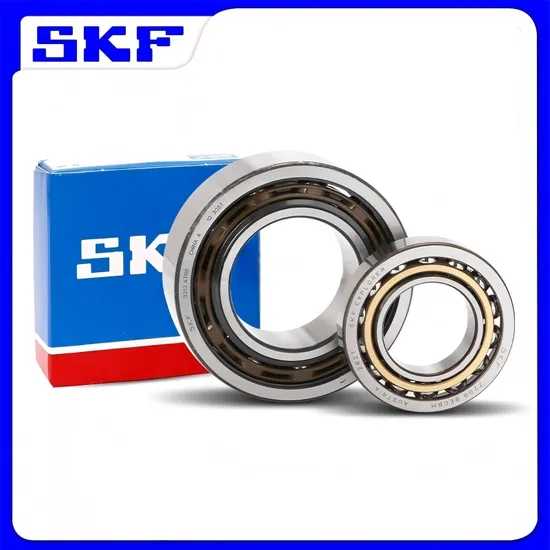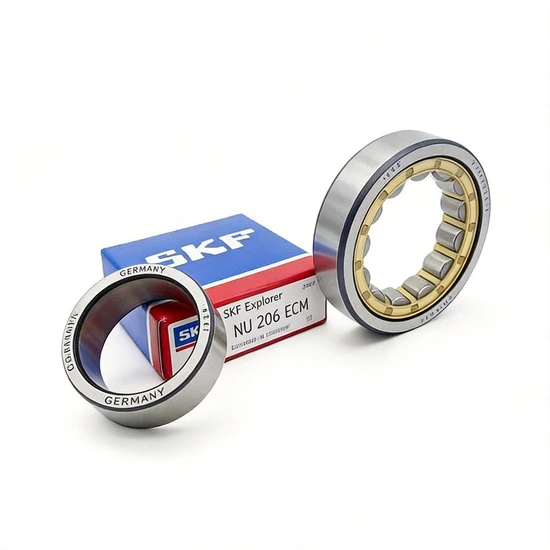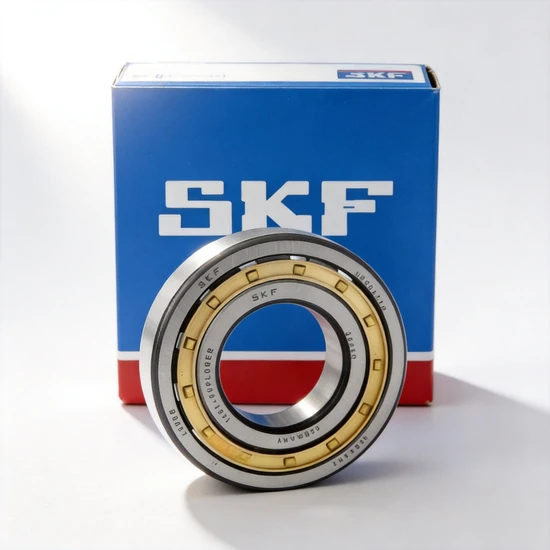


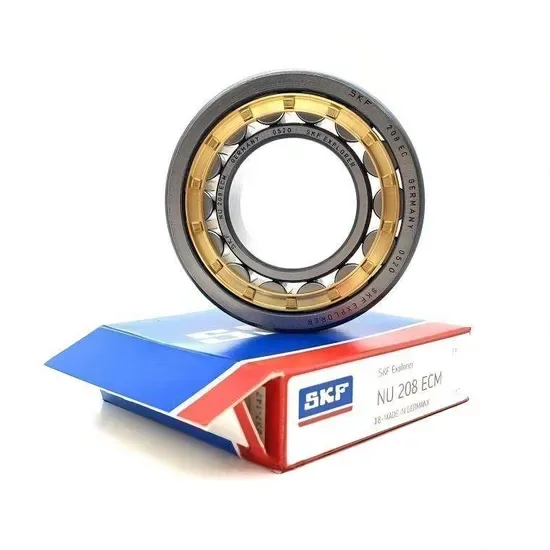
Description
Authorized Channel Procurement — Batch-traceable SKF NN3024 KTN9/SPVR522 units sourced with full conforming documentation and verified polyamide cage specifications.
Technical Specifications
| Parameter | Value |
|---|---|
| Designation | SKF NN3024 KTN9/SPVR522 |
| Bearing Type | Double Row Cylindrical Roller Bearing |
| Bore Diameter (d) | 120 mm |
| Outside Diameter (D) | 180 mm |
| Number of Rows | Double Row |
| Seal or Shield Type | Open |
| Precision Class | SP (Super Precision) |
| Weight | 3.7 kg |
| Origin | China |
| Cage Material | Glass Fiber Reinforced Polyamide 6,6 (TN9) |
| Bore Type | Cylindrical |
Note: The VR522 suffix designation requires verification against the current manufacturer catalog for complete specification confirmation.
Application Suitability
| Industry | Typical Applications |
|---|---|
| Machine Tool Manufacturing | High-speed spindle rear support positions requiring minimal radial runout |
| Precision Industrial Gearboxes | Output shaft support in servo-driven positioning systems |
| Steel and Metallurgy | Rolling mill guide roller assemblies with continuous operation demands |
| Industrial Automation | Rotary table bearings in CNC machining centers |
What SP Precision Actually Prevents on Spindle Applications
Matching the base number without checking the /SP suffix delivers a bearing that runs hot within the first thermal cycle.
Precision spindle builders regularly specify NN3024 variants assuming standard P5 tolerances will suffice, only to encounter thermal binding when the machine reaches operating temperature. The vibration signature tells the story before the cage shows damage — elevated frequencies at roller pass rates that indicate geometric mismatch between the raceway and rolling elements. A significant share of premature spindle failures trace back to tolerance stack-up errors where the bearing met the dimensional envelope but lacked the running accuracy the application demanded [NEED_CITE: rolling bearing failure mode classification per ISO 15243]. The SKF NN3024 KTN9/SPVR522 double row cylindrical roller bearing addresses this through SP-class dimensional and running accuracy specifications that exceed standard precision grades.
How This Bearing Matches Spindle Load and Speed Demands
Machine tool spindles generate complex load spectra combining radial cutting forces with thermal expansion-induced preload changes. The SKF NN3024 KTN9/SPVR522 double row cylindrical roller bearing handles these demands through its double row configuration providing high radial rigidity while the TN9 polyamide cage maintains low friction characteristics essential for sustained high-speed operation. The open design allows spindle builders to implement circulating oil lubrication systems matched to their specific speed-torque curves rather than accepting factory grease fill limitations. We regularly cross-reference OEM spindle drawings against actual bearing suffix requirements, catching mismatches before they reach the assembly floor.
Operating Environment and Performance Demands
Spindle environments subject bearings to rapid thermal cycling as cutting operations generate heat that transfers through the shaft into the bearing bore. The SP precision class maintains tighter dimensional control across these temperature variations, preventing the interference fit from becoming excessive as components expand. Lubrication selection becomes critical — oil-air systems must deliver consistent film thickness without generating excess churning losses that compound thermal problems. The open configuration places responsibility for contamination control on the spindle housing design, requiring effective labyrinth seals or air purge systems to prevent coolant and swarf ingress [NEED_CITE: machine tool spindle bearing contamination failure modes]. Installation practices demand careful attention to shaft and housing tolerances, as the tighter SP specifications leave less margin for geometric errors in adjacent components.
Decoding the Critical Suffix Combinations
The KTN9 cage designation combines a glass fiber reinforced polyamide 6,6 cage with inner ring guidance — a configuration optimized for the high-speed, moderate-load conditions typical of precision spindle rear support positions. This cage material reduces weight compared to machined brass alternatives, lowering centrifugal forces on the rollers at elevated speeds while maintaining adequate strength for the application’s load spectrum. The /SP precision class delivers tighter bore and outside diameter tolerances along with improved running accuracy compared to standard P5 grade bearings, directly addressing the thermal binding failures that plague mismatched spindle installations. Double row cylindrical roller bearings inherently provide higher radial load capacity than single row designs, but this comes with reduced tolerance for misalignment — making shaft and housing geometry verification essential during assembly.
The Hidden Costs of Specification Shortcuts
Procurement teams under pressure to reduce costs sometimes substitute standard precision bearings where SP or higher grades are specified, reasoning that the dimensional differences are negligible. These substitutions create unplanned downtime when spindles fail to maintain tolerances during production runs, requiring emergency changeouts that idle expensive machining centers. Premature cage failures from speed-rating mismatches compound the problem, as replacement bearings ordered without proper suffix verification repeat the original error. Warranty claims on spindle assemblies typically void when failure analysis reveals non-specification bearings were installed, shifting liability to the maintenance team. The ISO 281 bearing life calculation framework assumes correct specification matching — deviations in precision class or cage design invalidate the predicted L10 service intervals [NEED_CITE: ISO 281 bearing life calculation assumptions and limitations].
Why Maintenance Engineers Source Through Our Channel
We maintain sourcing relationships with authorized distributor networks that provide complete batch traceability back to production lots, not just certificates of conformance disconnected from actual inventory. Our technical team cross-references application requirements against the full suffix combination — verifying that precision class, cage material, and clearance specifications align with the operating conditions rather than just matching base designations. Country-of-origin documentation accompanies shipments to support import compliance and customer verification requirements, particularly important for facilities with strict supply chain audit protocols. Third-party dimensional inspection reports confirm SP-class running accuracy before bearings leave our control, catching any handling damage or specification deviations. We provide QR code verification pathways through official manufacturer applications so receiving inspectors can independently confirm authenticity without relying solely on supplier documentation.
Documentation & Authenticity
- Supplier Certificate of Conformance with batch and lot numbers traceable to SKF NN3024 KTN9/SPVR522 production records
- Third-party runout inspection reports confirming SP precision class specifications before shipment
- Material certificates documenting bearing steel composition and heat treatment compliance
- Country-of-origin documentation supporting import declarations and buyer verification requirements
- QR code verification pathway via SKF official mobile applications for on-site authenticity confirmation
Storage, Handling & Mounting
- Maintain original sealed packaging until installation to prevent contamination of the open bearing configuration, particularly critical for SP precision applications where surface damage compromises running accuracy
- Store in climate-controlled environments with stable temperature and humidity below 60% to prevent condensation on the precision-ground raceways
- Use clean gloves during handling to avoid transferring skin oils that can initiate corrosion on the high-finish SP-class surfaces before lubrication is applied
- Implement proper shaft and housing tolerance verification before mounting, as the tighter SP specifications require closer attention to geometric accuracy than standard precision grades
- Follow manufacturer-specified heating procedures for interference fits, avoiding localized overheating that could damage the TN9 polyamide cage material
- Document installation procedures including fit measurements and alignment verification to support warranty claims and failure analysis if needed
Request Technical Review for Your Application
Share your spindle operating parameters including speed range, load spectrum, and thermal profile so we can verify the SKF NN3024 KTN9/SPVR522 double row cylindrical roller bearing matches your specific requirements. Provide OEM equipment numbers or existing bearing designations for cross-reference verification against current specifications and suffix requirements. Request complete documentation packages including origin certification and inspection reports for your procurement records. Confirm batch availability and delivery timelines based on your project schedule and inventory requirements.
Frequently Asked Questions
Q: How do I verify SKF bearing authenticity using official verification tools?
A: SKF provides official mobile applications with QR code scanning capabilities that confirm bearing authenticity against their production database. The verification process checks the unique identifier against manufacturing records, confirming the bearing originated from legitimate production channels. We support this verification by providing complete documentation packages and guiding customers through the authentication process during receiving inspection.
Q: What cross-reference factors matter beyond the base NN3024 designation?
A: Complete cross-reference matching requires verifying precision class (SP versus standard P5 or P4), cage material and design (TN9 polyamide versus machined brass alternatives), and internal clearance specifications together. Matching only the base number while overlooking these suffix combinations leads to application failures where the bearing fits physically but cannot meet the operating demands. Our technical team reviews complete suffix requirements against application parameters to prevent these mismatches.
Q: What distinguishes SP precision from other SKF precision classes?
A: SP (Super Precision) class provides tighter dimensional and running accuracy specifications than standard P5 grade bearings, addressing applications where minimal radial runout is critical. The precision hierarchy in SKF’s system places SP between P5 and the higher P4/P4A classes, offering improved performance for precision spindle and gearbox applications without the cost premium of ultra-precision grades. The specific tolerance improvements focus on bore diameter, outside diameter, and running accuracy parameters that directly affect thermal behavior and vibration characteristics.
Q: How does TN9 polyamide cage material compare to machined brass cages?
A: TN9 glass fiber reinforced polyamide cages offer reduced weight and lower friction characteristics compared to machined brass alternatives, making them suitable for high-speed applications where centrifugal forces and heat generation are concerns. The material has temperature limitations that must be considered for high-temperature environments, and chemical compatibility requirements when certain lubricants or cleaning agents are used. Application selection should consider the specific speed, temperature, and load conditions rather than assuming one cage material universally outperforms the other.
Q: What documentation supports import compliance and authenticity verification?
A: We provide country-of-origin certificates, supplier certificates of conformance with batch traceability, material certificates, and dimensional inspection reports that support customs declarations and buyer verification requirements. The QR code verification pathway through SKF official applications provides independent authenticity confirmation. Documentation packages can be customized to meet specific regional import requirements or customer audit protocols.
Secure Your SKF NN3024 KTN9/SPVR522 Inventory
Submit your application specifications and required quantities for technical review and availability confirmation. Contact our engineering team through established B2B channels to discuss your precision bearing requirements and documentation needs.