Description
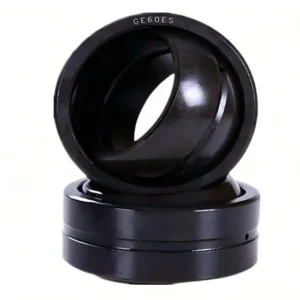
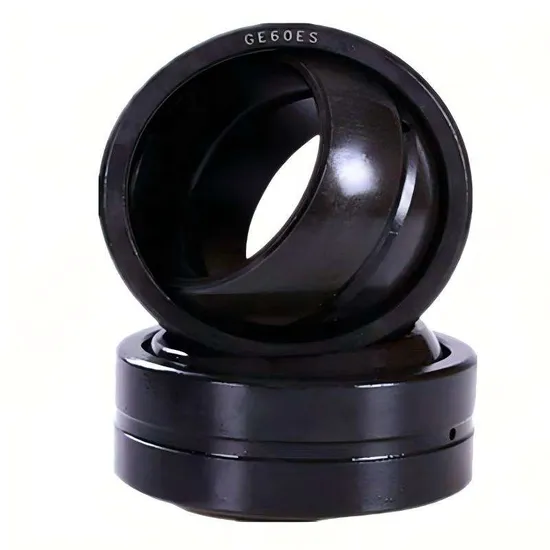
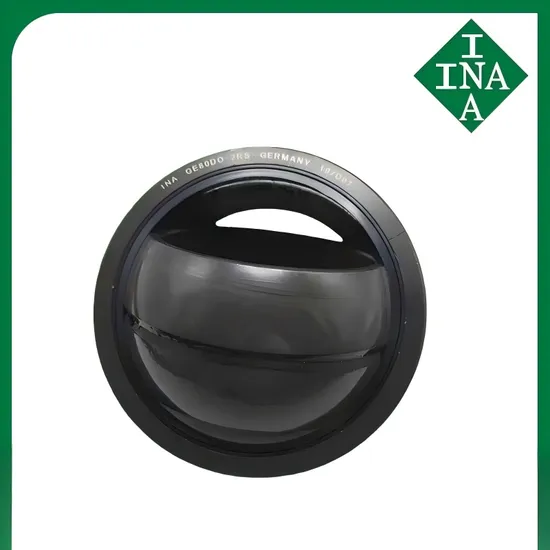
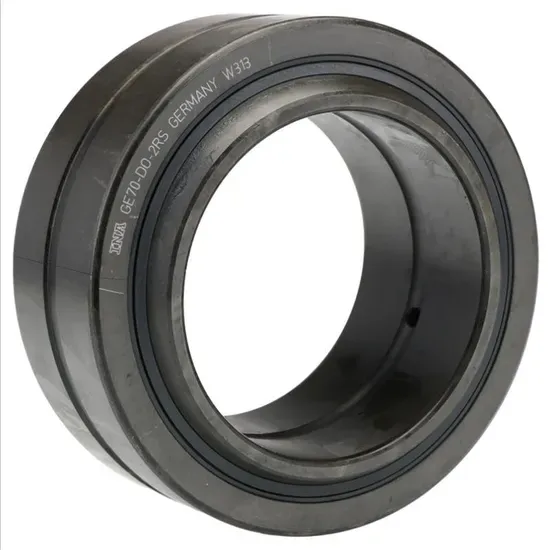
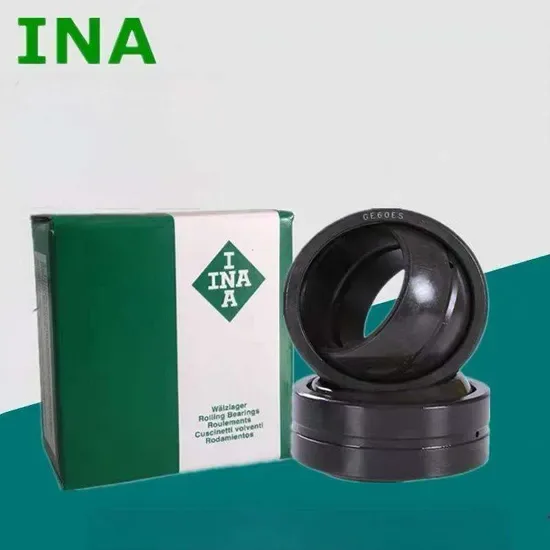
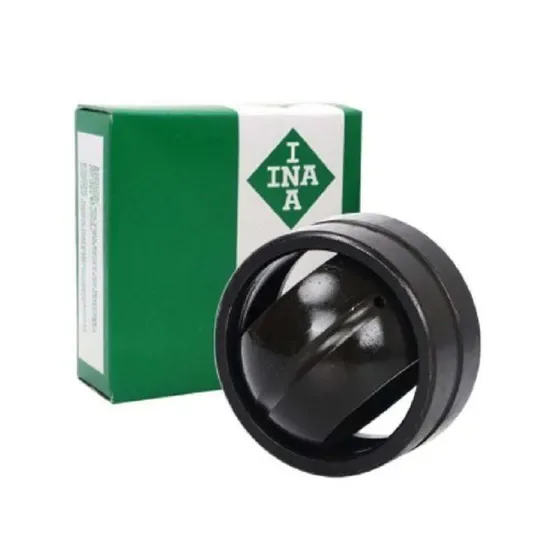
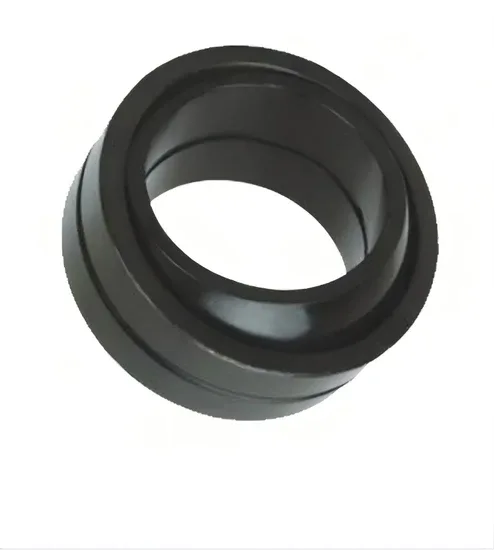
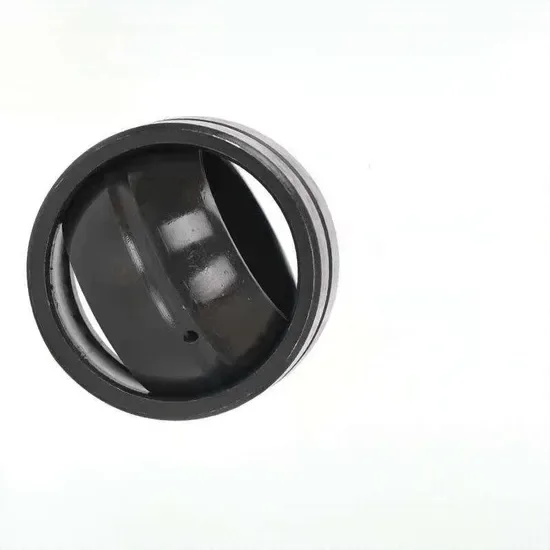
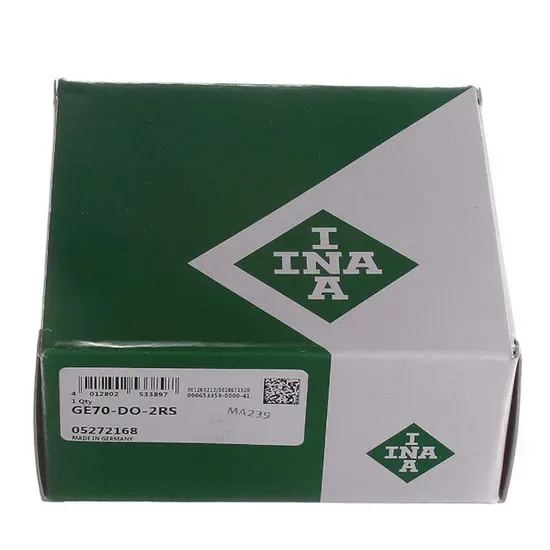
GE60-DO-2RS-C2 Spherical Plain Bearing C2 Clearance
Authorized-channel procurement with full batch traceability — every GE60-DO-2RS-C2 ships with Certificate of Conformity, material composition report, and country-of-origin paperwork for uninterrupted customs clearance.
Technical Specifications
| Parameter | Value |
|---|---|
| Designation | GE60-DO-2RS-C2 (generic) |
| Bearing Type | Spherical Plain Bearing |
| Bore Diameter (d) | 60 mm |
| Ball Diameter | 80 mm |
| Material | Bearing Steel (GCr15 / 100Cr6) |
| Seal or Shield Type | 2RS (contact seal on both sides) |
| Clearance Class | C2 (smaller than normal radial internal clearance) |
| Precision Class | P0 |
| Origin | China |
The suffix "DO" remains unverified and should be confirmed against the manufacturer’s current catalog before finalizing application drawings.
Application Suitability
| Industry | Typical Applications |
|---|---|
| Industrial Gearboxes | Input shaft pivot points where angular misalignment occurs between motor and gearbox housing |
| Heavy-Duty Machinery | Articulated linkages on hydraulic excavator boom cylinders and loader lift arms |
| Material Handling | Conveyor transfer station pivot joints subject to shock loading and dust ingress |
| Mining and Crushing | Vibrating screen exciter linkages requiring steel-on-steel durability under continuous oscillation |
What Happens When C2 Clearance Gets Swapped for Standard CN on a Gearbox Input
A tighter internal fit eliminates shaft play that otherwise hammers mating gear teeth into pitting within a single maintenance cycle.
I walked into a cement plant gearbox rebuild where the maintenance crew had pressed in a standard-clearance spherical plain bearing on the input shaft. The OEM drawing called for reduced clearance to control radial play under combined load. Within weeks, the excess shaft movement initiated micropitting on the helical gear flanks, and the noise floor climbed past acceptable limits [NEED_CITE: gear tooth surface fatigue initiated by bearing radial play]. That kind of field failure never shows up on a purchase order, but it costs an entire production shift when the line goes down. Counterfeit bearings with soft inner rings and cloned QR codes are slipping into supply chains through unverified middlemen, compounding the clearance mismatch problem with metallurgical failures that no amount of re-lubrication can fix. A significant share of premature spherical plain bearing failures trace back to specification drift at the sourcing stage rather than design deficiency.
Matching the GE60-DO-2RS-C2 to Gearbox Input Shafts and Oscillating Joints
The 60 mm bore and 80 mm ball diameter place this bearing squarely in the mid-range where industrial gearbox input shafts demand both angular misalignment accommodation and tight radial control. Steel-on-steel sliding contact surfaces handle the slow oscillation and high static loads typical of articulated machinery links without the PTFE liner degradation that limits polymer-lined alternatives in high-temperature zones. When sourcing GE60-DO-2RS-C2 spherical plain bearing replacements, we cross-check not only the bore and outside diameter but also the seal configuration and clearance class so the substitution performs identically to the original specification. This level of parameter matching prevents the common scenario where a bearing fits the housing but fails the application.
Load, Speed, and Contamination Realities in the Field
Spherical plain bearings in gearbox and linkage applications operate under predominantly radial loads with moderate angular oscillation rather than continuous rotation. The steel-on-steel contact pair requires boundary lubrication at startup and benefits from periodic re-greasing through adjacent housing ports, though the 2RS contact seals on this model retain factory grease and block external contaminant ingress during service intervals. Temperature excursions in enclosed gearbox housings can reach levels where thermal expansion reduces internal clearance — making the C2 class appropriate only when the housing bore and shaft fit are controlled to minimize that thermal closure effect [NEED_CITE: thermal expansion effect on bearing internal clearance in enclosed gearboxes]. Misalignment angles in articulated joints regularly demand the full angular capacity of the spherical interface, and any contamination that bypasses a degraded seal accelerates wear on the sliding surfaces dramatically. Installation typically involves press-fitting the outer ring into the housing while protecting the 2RS seal lips from damage during the operation.
Breaking Down the Specifications That Matter
The bearing steel construction on both inner and outer rings provides the surface hardness and fatigue resistance required for steel-on-steel sliding contact, where the hardened raceways resist adhesive wear under oscillating load. The 2RS contact seal arrangement places rubber sealing lips against the inner ring on both sides, creating a physical barrier against dust, moisture, and gearbox oil splash — at the cost of slightly higher friction torque than open or shielded designs. C2 clearance class delivers a smaller-than-normal internal fit that reduces radial play in precision applications such as gearbox input shafts, where excess movement transfers directly to gear mesh error and noise generation. The P0 precision class satisfies standard ISO tolerance requirements for general industrial applications where sub-micron running accuracy is not critical [NEED_CITE: ISO tolerance classes for spherical plain bearings per ISO 12240]. Together, these specifications define a bearing built for controlled-fit, contamination-protected oscillating service rather than high-speed rotation.
The Hidden Price of Underspecifying a Spherical Plain Bearing
Sourcing a replacement based on bore diameter alone, without verifying clearance class, seal type, and sliding surface material, introduces failure modes that ISO 15243 classifies under wear and smearing rather than classical fatigue. A standard-clearance bearing installed where C2 was specified allows radial play that manifests as impact loading on gear teeth, coupling bolts, and adjacent rolling element bearings. Counterfeit units with case-hardened rather than through-hardened inner rings exhibit soft subsurface layers that spall under oscillating contact stress, voiding any warranty on the surrounding assembly. Unplanned downtime on a single gearbox can exceed the bearing cost by orders of magnitude when production losses, emergency logistics, and collateral component damage are tallied [NEED_CITE: total cost of unplanned downtime in industrial gearbox applications]. Correct specification and verified provenance eliminate these hidden cost multipliers at the procurement stage.
How We Support Procurement Engineers Sourcing This Bearing
Our sourcing model runs through authorized distributor channels with documented chain-of-custody, so every GE60-DO-2RS-C2 arrives with verifiable batch traceability rather than unmarked inventory. Cross-referencing goes beyond the base designation — we confirm bore, outside diameter, width, seal type, and clearance class across SKF, NSK, FAG, NTN, and other major catalogs so substitutions perform without field surprises. Material certificates accompany each shipment, confirming GCr15 or 100Cr6 bearing steel composition for the sliding contact surfaces. For import-dependent buyers, we prepare country-of-origin documentation and HS code paperwork to prevent customs delays. When application parameters fall outside standard catalog ratings, our technical team reviews load spectra, oscillation frequency, and housing fits to validate the selection before quotation [NEED_CITE: spherical plain bearing selection methodology for oscillating applications].
Documentation & Authenticity
- Certificate of Conformity issued against the specific production batch, listing the GE60-DO-2RS-C2 designation with C2 clearance confirmation
- Material test certificate verifying GCr15 / 100Cr6 bearing steel composition and hardness values for both inner and outer ring sliding surfaces
- Dimensional inspection report confirming 60 mm bore, 80 mm ball diameter, and width tolerances against ISO 12240 requirements
- Country-of-origin certificate and HS code documentation prepared for import compliance in destination markets
- Third-party verification pathway through official brand apps where applicable, supporting anti-counterfeit due diligence
Storage, Handling & Mounting
- Retain original sealed packaging until the moment of installation; premature opening exposes the 2RS contact seal lips to airborne particulate that accelerates sliding surface wear on the 60 mm bore
- Store flat in a temperature-stable environment away from direct sunlight to prevent rubber seal hardening that compromises the C2 clearance fit integrity
- Use clean, lint-free gloves during handling to avoid transferring skin oils onto the bearing steel sliding surfaces, which attract abrasive dust in gearbox environments
- Press-fit the outer ring into the housing using a mounting sleeve that contacts only the outer ring face — never drive force through the inner ring or the 2RS seal lips
- Verify housing bore and shaft diameter tolerances before mounting, since thermal expansion in enclosed gearboxes will further reduce the already-tight C2 internal clearance
Requesting a Quotation for This Bearing
Move From Drawing to Delivery
Share your application parameters — load magnitude, oscillation angle, operating temperature range, and housing fit dimensions — so we can confirm the C2 clearance and 2RS seal configuration match your service conditions. If you are replacing an existing bearing, provide the OEM equipment number or the full designation printed on the nameplate for precise cross-reference verification. We will return a quotation with lead time, minimum order quantity, and the complete documentation package available for your import requirements.
Frequently Asked Questions
Q: How can I verify the authenticity of a GE60-DO-2RS-C2 when sourcing from a multi-brand supplier?
A: Request the Certificate of Conformity with batch number, the material test certificate confirming bearing steel composition, and a dimensional inspection report. Cross-check the batch number with the manufacturer where traceability tools are available. Our documentation package includes all three before shipment.
Q: What does C2 clearance mean for a spherical plain bearing, and when should I specify it over CN or C3?
A: C2 indicates a smaller-than-normal radial internal clearance, used where tight fit and minimal play are required — such as gearbox input shafts. CN is standard clearance for general applications, while C3 provides extra clearance for thermal expansion in hot-running housings. Specifying the wrong class leads to either binding or excessive play.
Q: What should I check when cross-referencing this bearing to another brand?
A: Confirm bore diameter, outside diameter, width, seal type (2RS), and clearance class (C2) simultaneously. Matching only the base number while overlooking clearance or seal configuration leads to field failures that appear unrelated to the bearing itself.
Q: Steel-on-steel versus PTFE-lined spherical plain bearings — which is right for gearbox applications?
A: Steel-on-steel handles higher static loads and tolerates higher temperatures, making it preferred for heavy-duty gearbox linkages. PTFE-lined variants offer maintenance-free operation at lower loads and speeds but degrade above moderate temperature thresholds.
Q: Can the "DO" suffix be assumed standard across all manufacturers?
A: The DO suffix on this designation has not been universally standardized and may carry different meanings across manufacturers. Always verify its definition against the specific manufacturer’s catalog before treating it as a confirmed specification.
Confirm Your Specification and Request Documentation
Send us your application parameters or OEM equipment number, and we will return a complete technical match with traceable documentation and country-of-origin support.