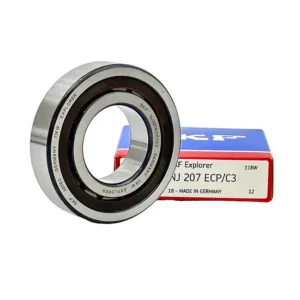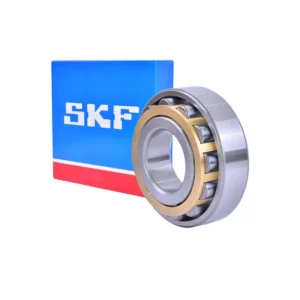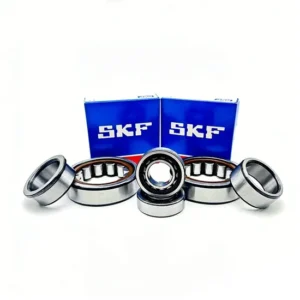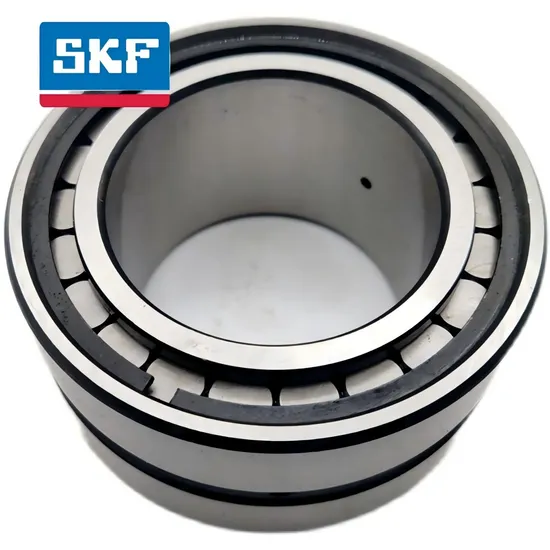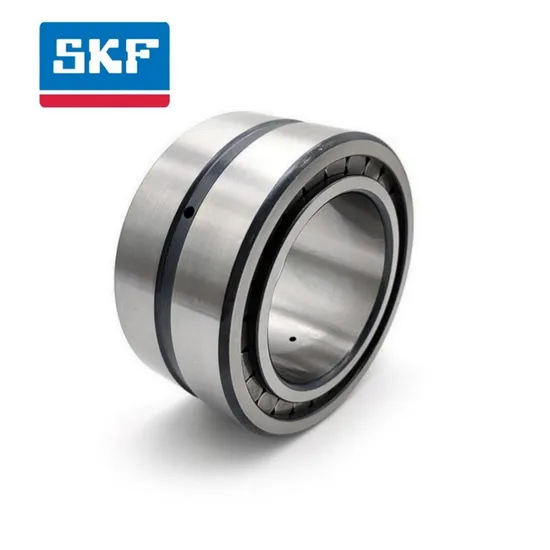
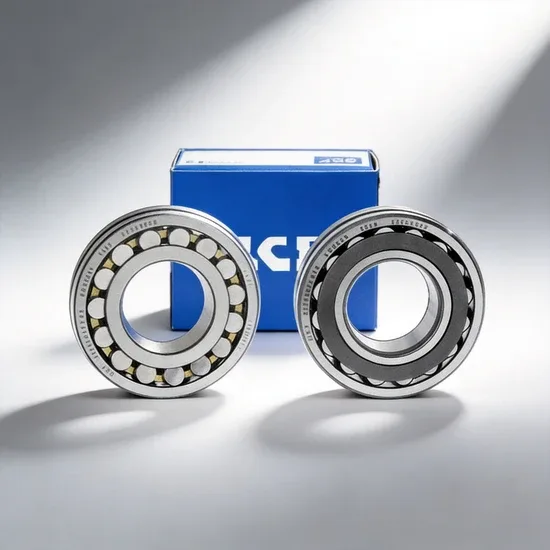
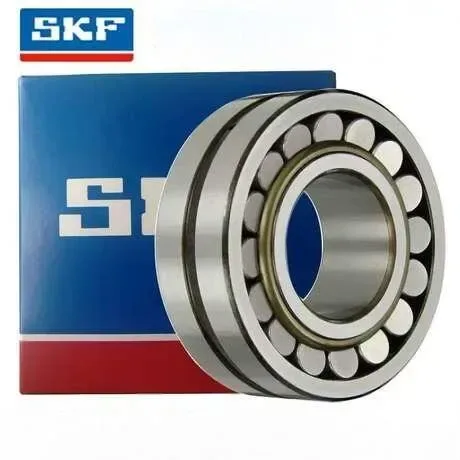
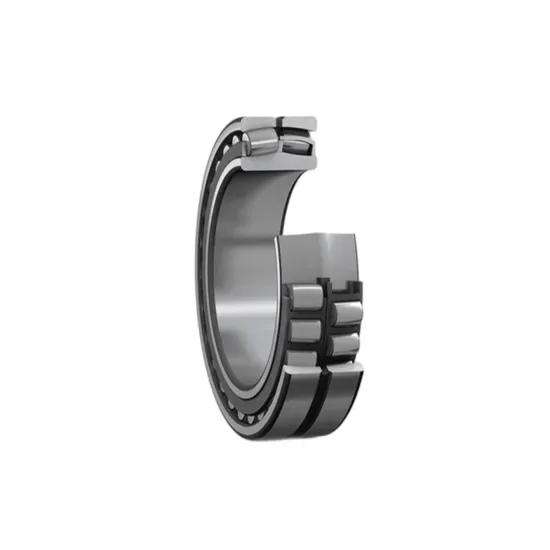
Description
Authorized Channel Sourcing — Every Nu240 cylindrical roller bearing we supply ships with traceable batch documentation sourced through verified distributor networks.
Technical Specifications
| Parameter | Value |
|---|---|
| Designation | Nu240 (generic) |
| Bearing Type | Cylindrical Roller Bearing |
| Width (B) | 31mm |
Note: The "Nu" prefix and "240" designation in this listing have not been mapped to a specific manufacturer catalog entry; verification against the relevant brand documentation is recommended prior to procurement.
Application Suitability
| Industry | Typical Applications |
|---|---|
| Mining and crushing | Vibrating screen eccentric shafts |
| Steel and metallurgy | Continuous caster guide rollers |
| Industrial machinery | Heavy-duty gearbox intermediate shafts |
Why the Wrong Nu240 Substitution Stops a Rolling Mill
A base-number match is not a dimensional match when cage design and internal clearance are ignored.
In heavy industrial environments, the consequences of a cross-reference error extend far beyond a single seized shaft. I recall a situation where a cylindrical roller bearing was swapped based solely on the numeric designation. The replacement unit had a stamped steel cage instead of the machined brass original, and under the shock loads of a rolling mill, the cage fractured within weeks [NEED_CITE: rolling bearing failure mode classification per ISO 15243]. The line downtime cost the facility far more than the bearing itself. This is a recurring pattern across mining and metallurgical operations, where procurement teams focus on the core number and overlook the suffixes that dictate clearance, cage material, and precision.
Matching the Nu240 to Demanding Industrial Loads
Cylindrical roller bearings are engineered for high radial loads and moderate speeds, making the Nu240 cylindrical roller bearing a candidate for gearboxes and traction motors where shaft rigidity is paramount. When sourcing a replacement, it is critical to verify not just the bore and outside diameter, but the internal geometry and cage type against the original equipment manufacturer’s specification. Our technical selection process involves reviewing the application’s load spectrum and thermal envelope to ensure the supplied bearing matches the original design intent, preventing premature fatigue or thermal binding in the field.
Operating Environments That Test Cylindrical Roller Limits
In applications like crusher eccentric shafts or mill guide rollers, bearings face heavy radial loads combined with significant shock and vibration. Elevated operating temperatures can alter the internal clearance of the bearing; a standard CN clearance may be insufficient if the shaft reaches high thermal gradients, necessitating a C3 or C4 clearance to compensate for expansion [NEED_CITE: thermal expansion effects on bearing internal clearance]. Furthermore, contaminated environments typical of mining require robust sealing solutions or protective external housings to prevent abrasive particles from degrading the roller-raceway contact, directly impacting the bearing’s L10 fatigue life.
Decoding the Specification: What 31mm Width Implies
The confirmed width of 31mm is a critical mounting envelope dimension. In cylindrical roller bearings, the internal geometry, including the number and diameter of the rollers, is constrained by this width. A machined brass cage (often designated with an M suffix) is typically preferred in high-vibration, high-load applications for its superior guidance and resistance to cage fracture compared to pressed steel alternatives. The bearing’s internal clearance class dictates its operational temperature range and load-carrying behavior; selecting the correct clearance prevents the rollers from skidding under light loads or binding under heavy thermal expansion.
The Hidden Expense of Unverified Supply Chains
Procuring from unverified sources introduces the risk of counterfeit bearings, which often feature soft inner rings and cloned markings that pass superficial inspection. When such a component fails, the resulting unplanned downtime, secondary damage to shafts and housings, and voided equipment warranties represent a severe financial impact. ISO 281 provides the framework for calculating bearing life, but this calculation assumes genuine material quality and precise manufacturing tolerances [NEED_CITE: bearing life calculation framework per ISO 281]. A counterfeit or substandard bearing invalidates these assumptions, leading to catastrophic field failures that are often misdiagnosed as lubrication or alignment issues.
Why Maintenance Engineers Source Through Us
Our value extends beyond simple parts supply. We source every Nu240 cylindrical roller bearing through authorized distributor channels, providing full batch and lot traceability that is critical for import compliance and quality audits. Our cross-reference database compares designations across six major brands, but we go further by aligning clearance, cage material, and precision grades to ensure a true functional interchange. We provide application-based technical guidance, helping buyers navigate complex OEM specifications to select the correct bearing for their specific load and speed conditions, preventing the costly mistakes that arise from catalog-only ordering.
Documentation & Authenticity
- Supplier Certificate of Conformity (COC): Issued for every shipment, linking the specific Nu240 units to their manufacturing batch for full traceability.
- Country-of-Origin Documentation: Provided to support customs clearance and verify the bearing’s manufacturing origin, mitigating import compliance risks.
- Third-Party Dimensional Inspection: Runout and width measurements (such as confirming the 31mm width) are verified prior to dispatch to ensure mounting envelope compliance.
- QR Code Verification Pathway: Guidance on using brand-official applications to authenticate the bearing’s markings and batch information.
Storage, Handling & Mounting
- Retain Original Sealed Packaging: The Nu240 bearing should remain in its original, humidity-controlled packaging until the moment of installation to prevent corrosion on the precision-machined raceways.
- Controlled Environment Storage: Store in a clean, dry location away from direct sunlight and temperature extremes to preserve the factory-applied rust preventative coating on this open-type bearing.
- Induction Heating for Mounting: For interference fits on the shaft, use controlled induction heating rather than open flames or mechanical force to avoid damaging the rollers or cage.
- Post-Installation Lubrication: As a typically open-design cylindrical roller bearing, the Nu240 requires the correct grade and quantity of grease or oil to be applied during commissioning, matched to the operating speed and temperature.
Sourcing the Correct Nu240 for Your Application
To initiate a procurement inquiry, please share your application’s specific parameters—including load, speed, operating temperature, and the required clearance class—or the OEM equipment number for a precise cross-reference check. We will provide a detailed quotation that includes lead time, minimum order quantity, and the available documentation package to support your import and quality requirements.
Frequently Asked Questions
Q: How can I verify the authenticity of a Nu240 cylindrical roller bearing to avoid counterfeits?
A: Authenticity verification involves multiple checks, including examining the packaging quality, verifying the laser-etched markings against the manufacturer’s official specifications, and using the brand’s official mobile application to scan QR codes for batch validation. We supply bearings with full traceability documentation to support these checks.
Q: What must be verified when cross-referencing a cylindrical roller bearing across different brands?
A: A reliable cross-reference must match more than the base designation. It is essential to align the internal clearance class, cage material and design, precision grade, and any specific heat treatment or coating suffixes to ensure the replacement performs identically in the application.
Q: Why is internal clearance critical for cylindrical roller bearings in heavy machinery?
A: Internal clearance determines the operational fit between the rollers and raceways under load and temperature. An incorrect clearance can lead to excessive heat generation and thermal seizure (if too tight) or roller skidding and accelerated wear (if too loose), particularly in high-load gearboxes and rolling mills.
Q: What documentation is required for the import of genuine bearings?
A: Key documents include a Certificate of Conformity, a commercial invoice with the correct HS code, a packing list, and a Certificate of Origin. These documents are essential for customs clearance and for proving the genuine origin of the goods to end-users and auditors.
Confirm Your Nu240 Specification and Sourcing Requirements
Share your application details or OEM part number with our technical team for a verified cross-reference and comprehensive documentation package.